Mud Daubers
Nuisance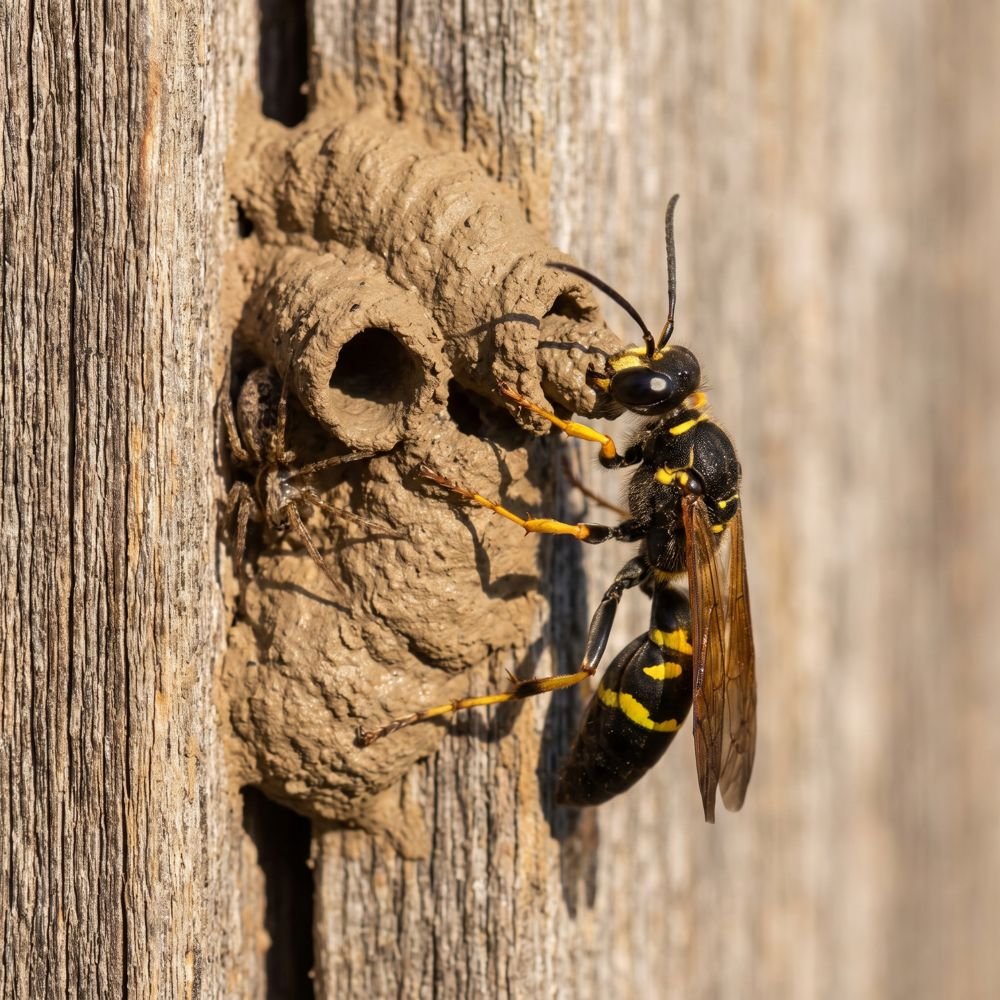
Image: AI-generated illustration
What it is
Mud daubers are solitary wasps that build nests out of mud. Clemson Cooperative Extension lists three kinds found in South Carolina: the black and yellow mud dauber (Sceliphron caementarium), the blue mud dauber (Chalybion californicum) and the pipe organ mud dauber (Trypoxylon politum). Unlike paper wasps or yellow jackets, they do not live in a colony. Each female builds and stocks her own nest, although many females may nest in the same general area. Clemson says they are not considered pests, but some people find them a nuisance.
How to recognize it
- Size and color: roughly 1/2 inch to a little over 1 inch long. Utah State University Extension describes them as black and yellow, solid black, or black with a bluish tinge. Clemson notes they are often bright and metallic.
- Shape: a long, narrow, thread-like waist between the middle and rear body sections.
- Nests: made of mud, often looking like small clay pots, mud patches, or tubes and pipes. Clemson describes tubes several inches long, small vase-like nests on plant stems, and mud plastered into cracks and crevices.
- Behavior: they are not aggressive and are usually seen flying to and from a nest, or collecting mud.
Where you will find it
Utah State says nests are built on the sides of structures and under window sills, eaves and similar places. Clemson adds that they plaster cracks in wood, stone and masonry and fill round openings in equipment and lawn furniture. Some species repair and reuse old nests from earlier seasons. Nests are most likely to be noticed from early summer through fall.
Why it matters
- They hunt spiders. According to Clemson, the black and yellow and pipe organ mud daubers use only spiders to feed their young, while other species use insects such as caterpillars and cockroaches. Utah State says they may be considered beneficial because they prey on many spiders.
- Mud nests can be an eyesore on walls, eaves and outdoor furniture, and an old nest can be reused.
- They can sting, though rarely. Clemson says they sting only if threatened or accidentally handled, and that the sting is painful. The black and yellow mud dauber was rated 1 on a 1 to 4 pain scale, the same as the red imported fire ant.
What to do
- Leave nests and wasps alone. Most mud daubers ignore people who ignore them.
- Keep clear of nests while children and pets are nearby, and do not poke at or knock down a nest.
- Watch for an allergy risk. If anyone in the home has a known allergy to wasp or bee stings, treat any nest near a door or walkway as a reason to call a professional.
- Note where you see them and take a photo from a safe distance to show a technician.
What not to do
- Do not spray a nest or wasps in flight yourself. Store-bought products can anger the wasps and are easy to misuse.
- Do not knock down or scrape a nest without protection. Clemson and Utah State both warn that handling nests is when stings happen.
When to call a professional
Call a licensed pest professional if there are many nests around a door, porch or other high-traffic area, if someone in the household is allergic to stings, or if you are not sure whether you are seeing mud daubers or a more aggressive wasp such as a yellow jacket or hornet.
What a professional will do
A technician will confirm which wasp it is, check nearby areas for more nests, and remove or treat nests safely with protective gear, using methods and products suited to the species. They can also explain what draws the wasps and their prey to the area, such as spiders in cracks and corners.
Sources
- Clemson Cooperative Extension: Mud Daubers, Identification, Habits and Control
- Utah State University Extension: Mason, Potter and Mud Dauber Wasps
Questions
Are mud daubers aggressive?
No. Clemson says they are solitary and rarely sting unless threatened or accidentally handled.
What do mud daubers eat?
Adults feed on nectar, per Utah State. Females stock nests with spiders or other insects, depending on the species, to feed their larvae.
Do they live in colonies like paper wasps?
No. Each female builds and stocks her own nest.
Do the mud nests damage the house?
Neither source describes structural damage. The nests are mainly a nuisance on walls, eaves and outdoor furniture.
Related pests
Paper Wasps
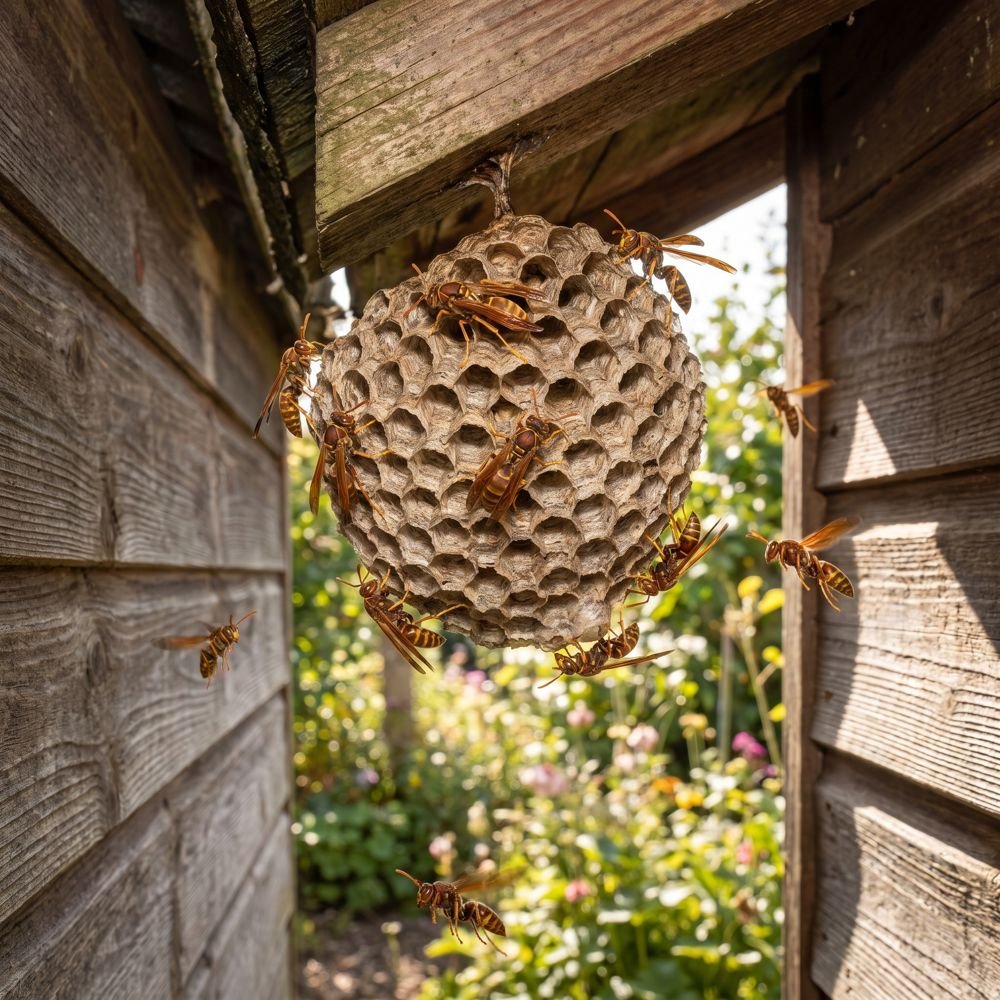
Slim wasps with open umbrella nests under eaves. They are beneficial and fairly docile, but call a professional for nests near doors or in hard places.
Read more →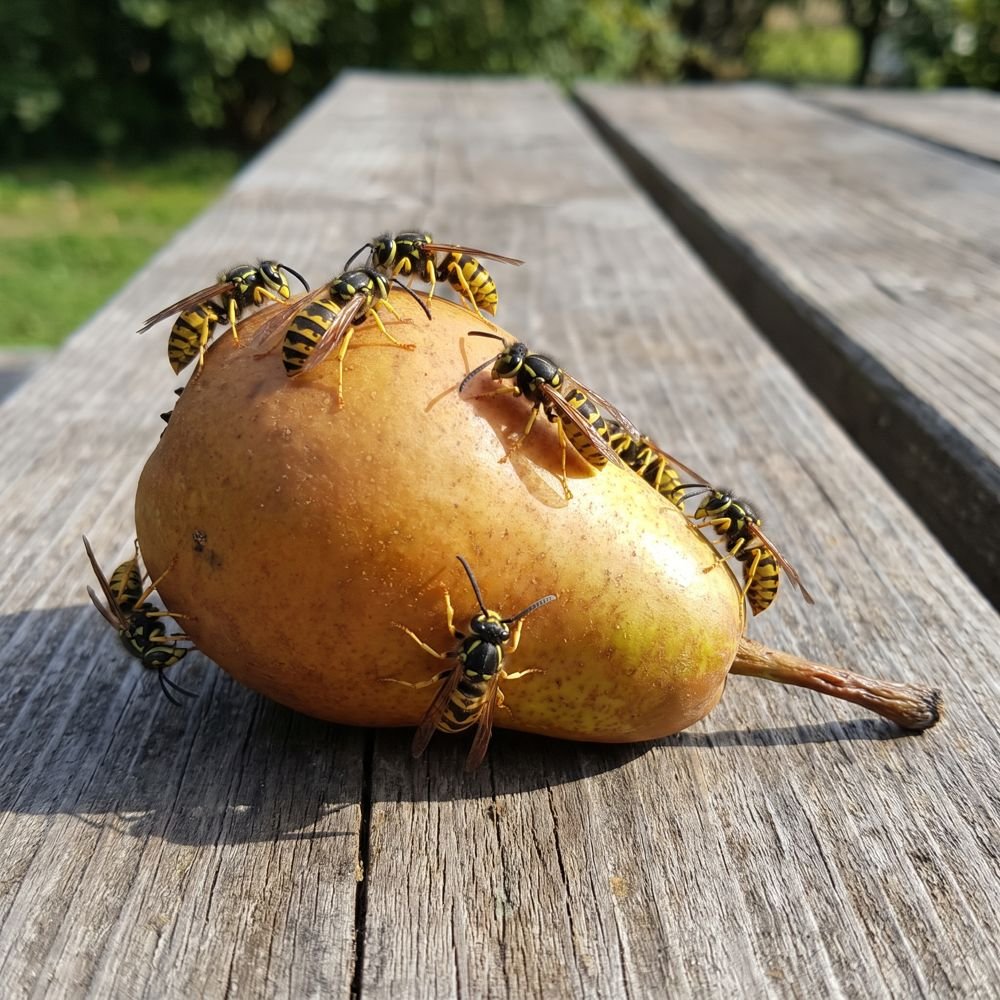
Yellow Jackets
Aggressive social wasps whose nests, often underground or in walls, peak in late summer. They sting repeatedly and defend the nest as a group, so removal is best left to a professional.
Read more →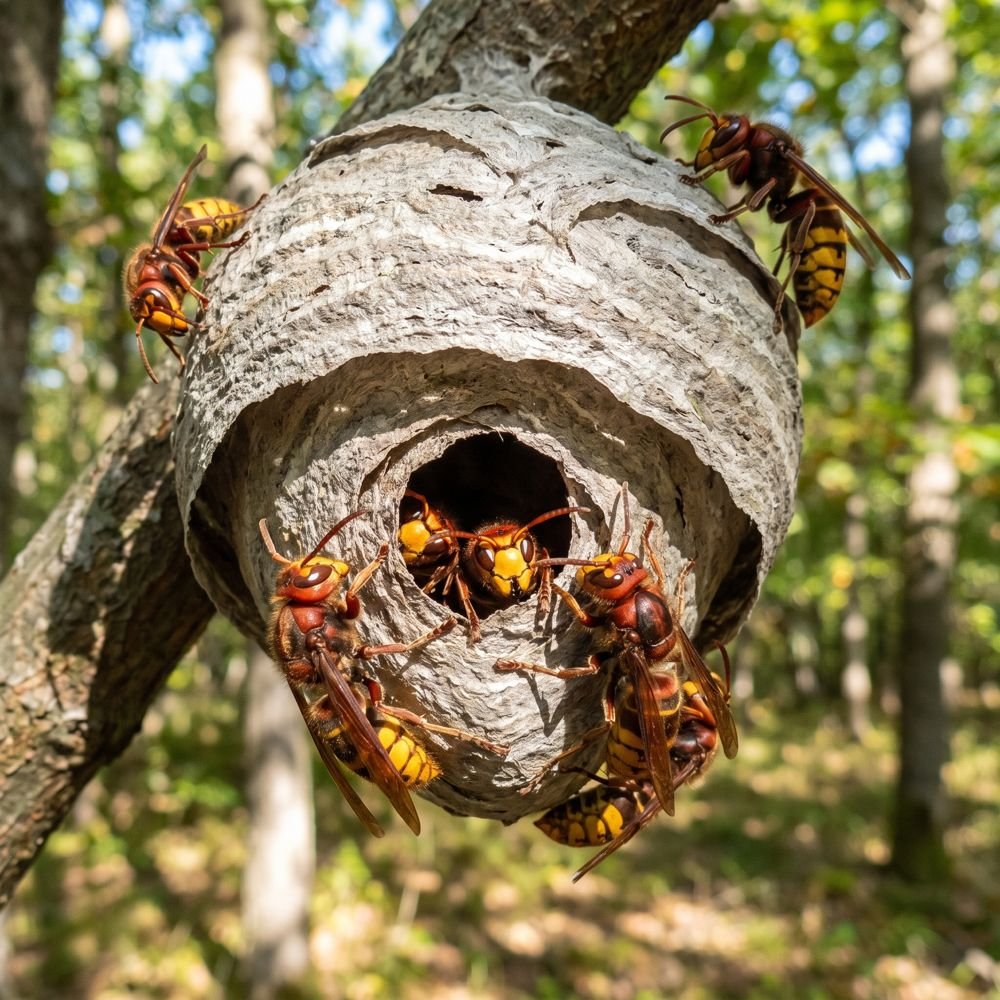
Hornets
Bald-faced hornets (actually yellowjackets) and European hornets (true hornets) build large annual nests and sting to defend them. Most nests away from people can be left alone, but nests near entrances, in walls or...
Read more →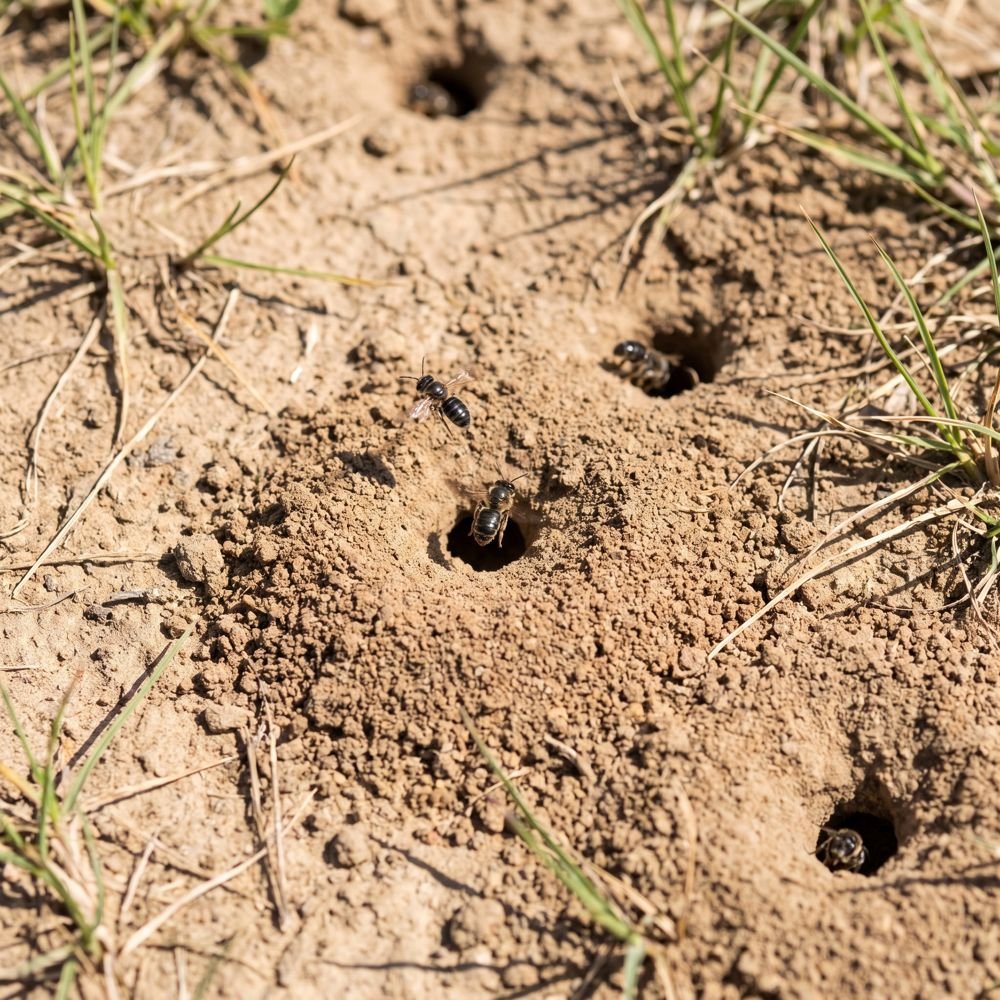
Digger Bees and Wasps
Solitary bees and wasps that dig small burrows in bare soil. They rarely sting and are beneficial, so most can simply be left alone.
Read more →This page is general information, not a diagnosis. Pests vary by region and situation, and an on-site inspection is the reliable way to know what you have.