Pest Library
Plain-English definitions of the pests we see most across the Mid-Atlantic: what they are, how to recognize them, and when it is time to call a professional.
Ants in the Kitchen: What to Do and What to Avoid
Why spraying ants often makes things worse, what you can do in the meantime, and when to call a professional.
Read more →Bed Bugs or Something Else? Common Look-Alikes
Bites alone cannot identify bed bugs. Learn what bed bugs actually look like, the signs to check for, and which bugs get mistaken for them.
Read more →Beetles Swarming Your House in Fall? Asian Lady Beetles Explained
Asian lady beetles gather on homes and move in every fall. Learn how to tell them from native ladybugs and how to deal with them.
Read more →Boxelder Bugs and Cluster Flies: Fall Invaders Explained
Boxelder bugs and cluster flies both move into homes in fall. Learn how to identify each, whether they are harmful, and how to get rid of them.
Read more →Cockroach Types and What Each One Means
German, American, Oriental, and brown-banded cockroaches mean different things about your home. Learn how to identify each and what to do.
Read more →Is That a Brown Recluse? Dangerous Spiders vs. Look-Alikes
Most brown spiders are not brown recluses. Learn the real identifying features, plus how to spot a black widow and what to do.
Read more →Mice Moving In for Winter: Signs and What to Do
Cold weather sends mice indoors. Learn the signs of mice in your home, the safe way to clean up, and when to call a professional.
Read more →Mouse or Rat Droppings? How to Tell the Difference
Mouse droppings and rat droppings look different. Learn how to tell them apart, what other pests leave behind, and how to clean up safely.
Read more →Stink Bugs in the House: Why They Come In and What to Do
Why stink bugs invade homes every fall, whether they are harmful, and what to do about them.
Read more →Termite or Flying Ant? How to Tell in 60 Seconds
Winged insects in your house? Learn the three quick checks that separate termites from flying ants, and what to do next.
Read more →Wasp, Hornet, or Bee? What to Do About the Nest
Honey bees, wasps, and hornets need very different responses. Learn to tell them apart and when removing a nest yourself is a bad idea.
Read more →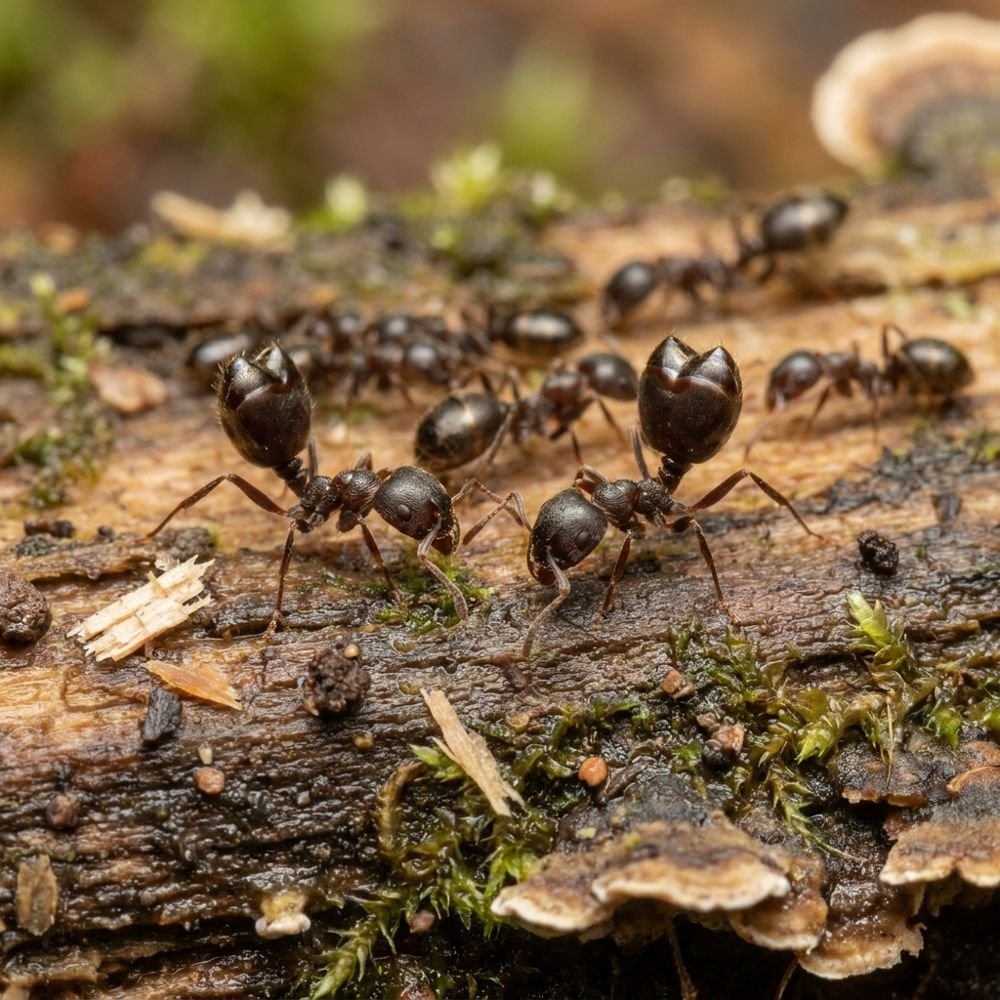
Acrobat Ants
Small ants named for their habit of raising the abdomen over the thorax when disturbed. They often nest in damp or decaying wood, wall voids, insulation, and around moisture-damaged areas.
Read more →Almond Moths
A stored-product moth (often called the tropical warehouse moth) whose larvae infest nuts, grains, dried fruit, seeds, chocolate, and other stored foods. Larvae produce webbing in infested products.
Read more →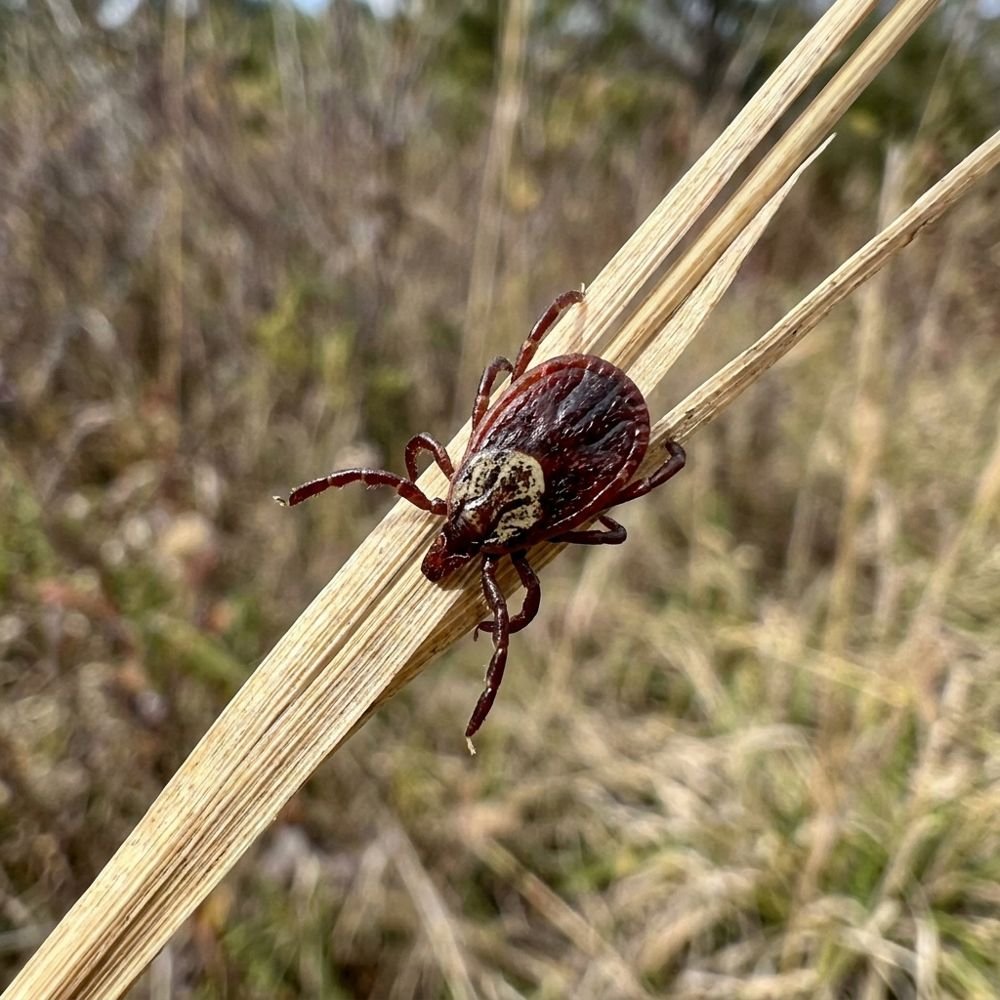
American Dog Tick
A hard tick with white markings on a brown body, common in tall grass and brushy edges. It can spread Rocky Mountain spotted fever and tularemia, but not Lyme disease. Check people and pets after time outdoors and...
Read more →American Roaches
Large reddish-brown cockroaches that favor warm, damp areas such as sewers, basements, boiler rooms, commercial kitchens, and utility spaces. They can travel long distances through drains and service lines.
Read more →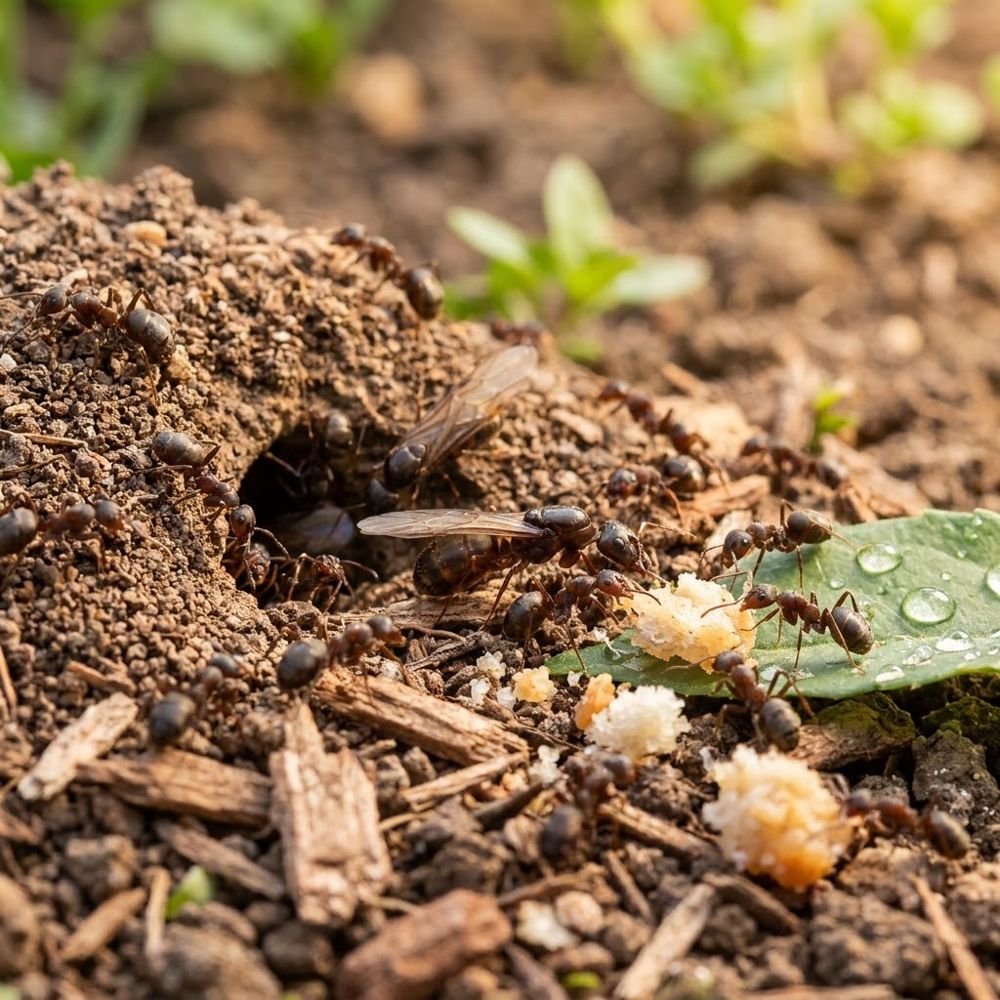
Ants
Social insects that live in colonies with workers, queens, and often winged reproductive forms. Pest species may nest indoors or outdoors and are commonly attracted to food, moisture, or suitable nesting sites.
Read more →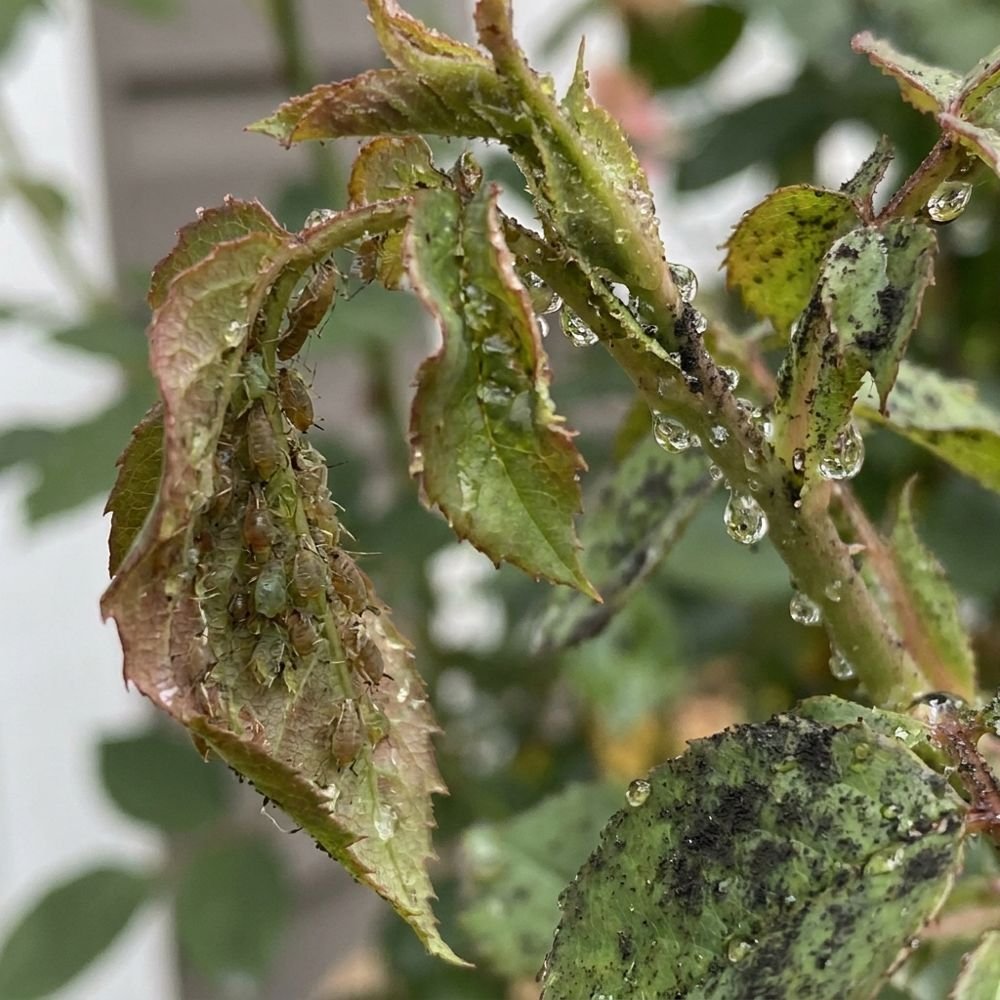
Aphids
Small, soft-bodied plant-feeding insects that suck sap from leaves and stems. Heavy infestations can distort plant growth and produce sticky honeydew that supports sooty mold.
Read more →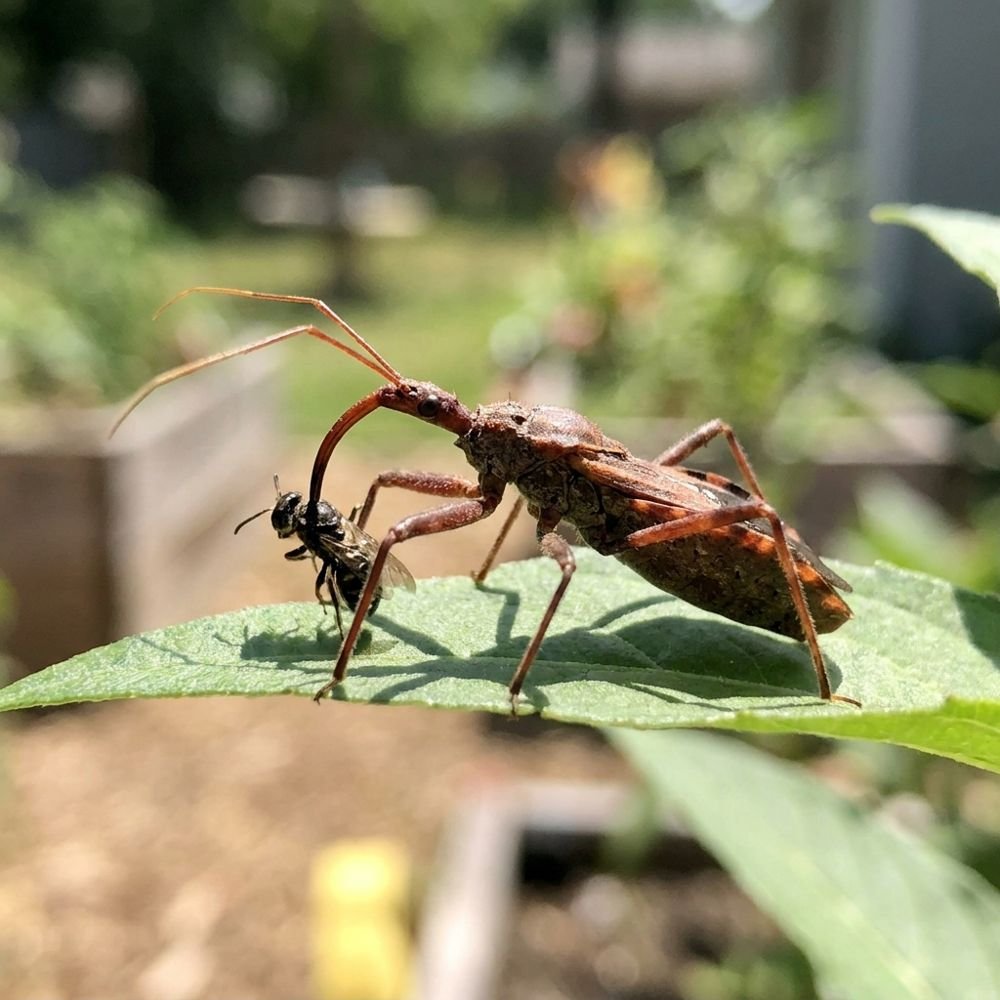
Assassin Bugs
Predatory true bugs that use a piercing beak to feed on other insects. Most are beneficial outdoors, but some can bite people if handled or trapped against the skin.
Read more →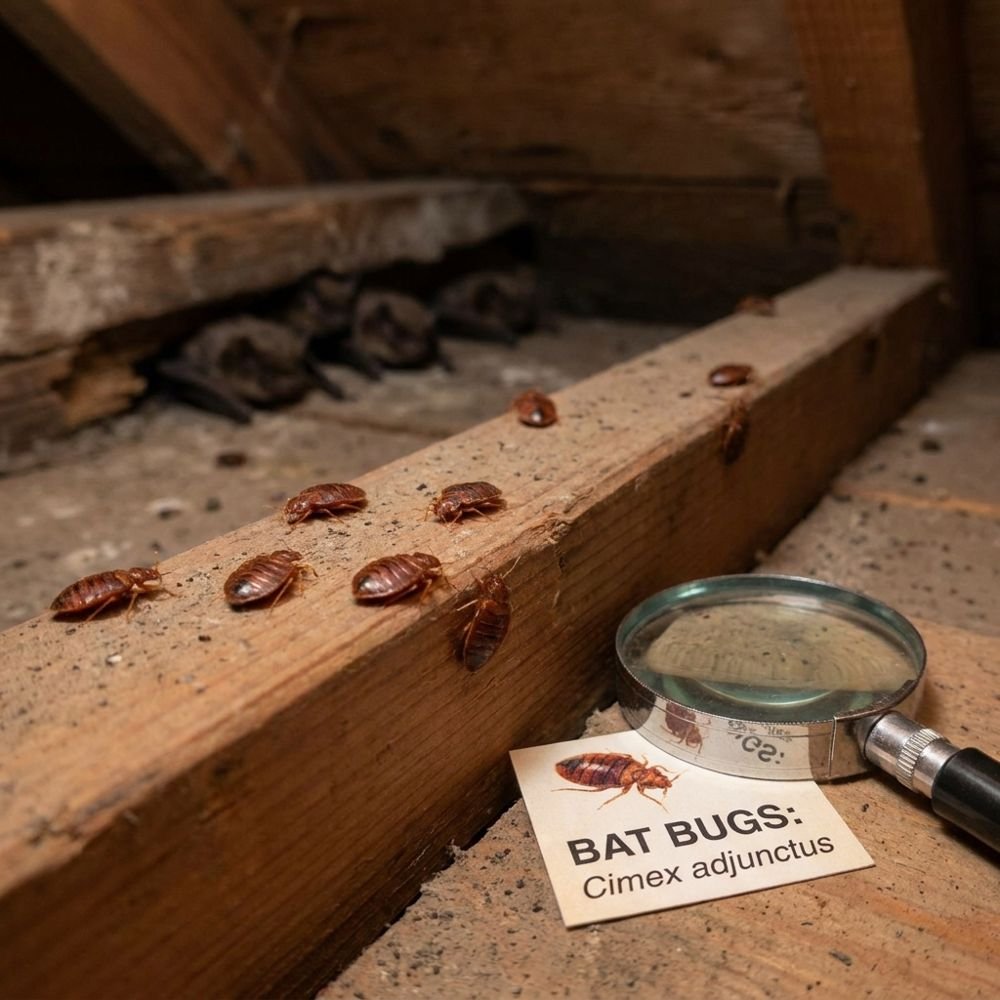
Bat Bugs
Blood-feeding insects closely related to bed bugs that primarily parasitize bats. They can wander into occupied rooms when bats leave a structure and may occasionally bite people.
Read more →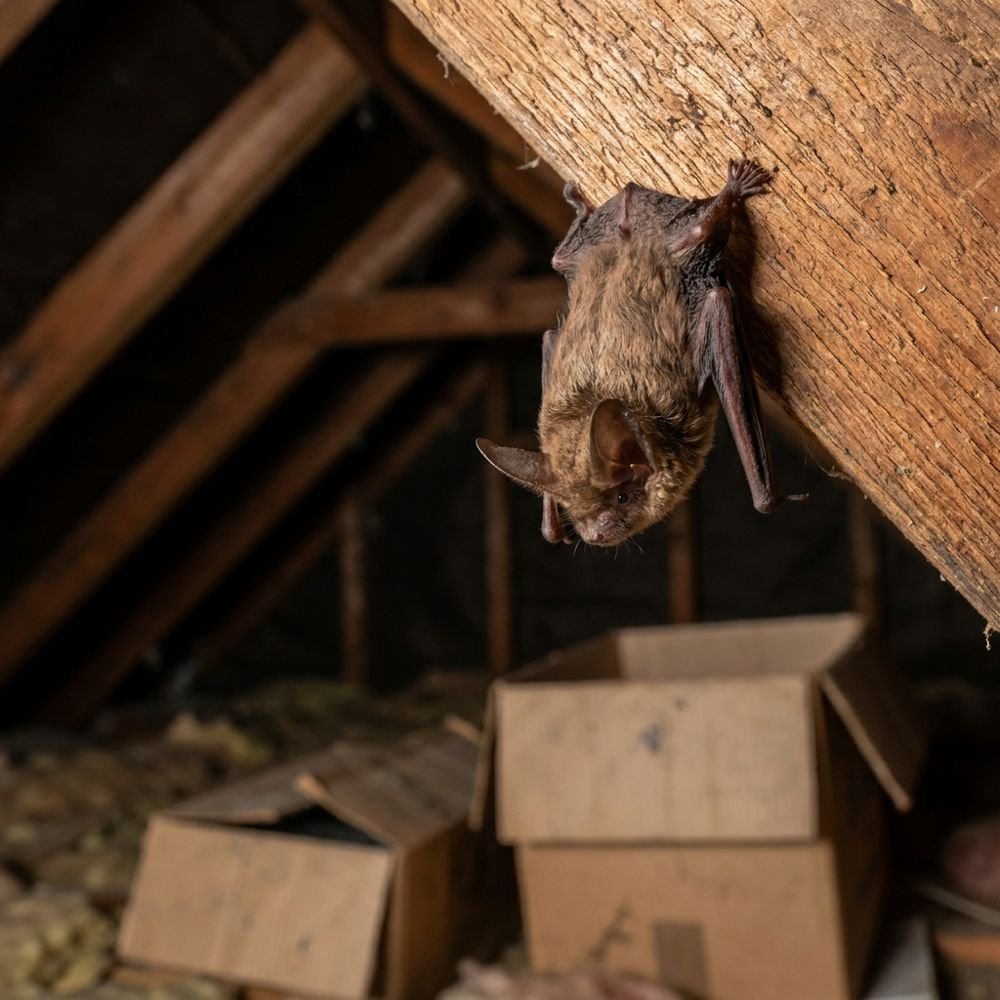
Bats
Flying mammals that commonly roost in attics, wall voids, chimneys, trees, and other sheltered locations. They are beneficial insect predators, but structural entry and accumulated droppings can create nuisance and...
Read more →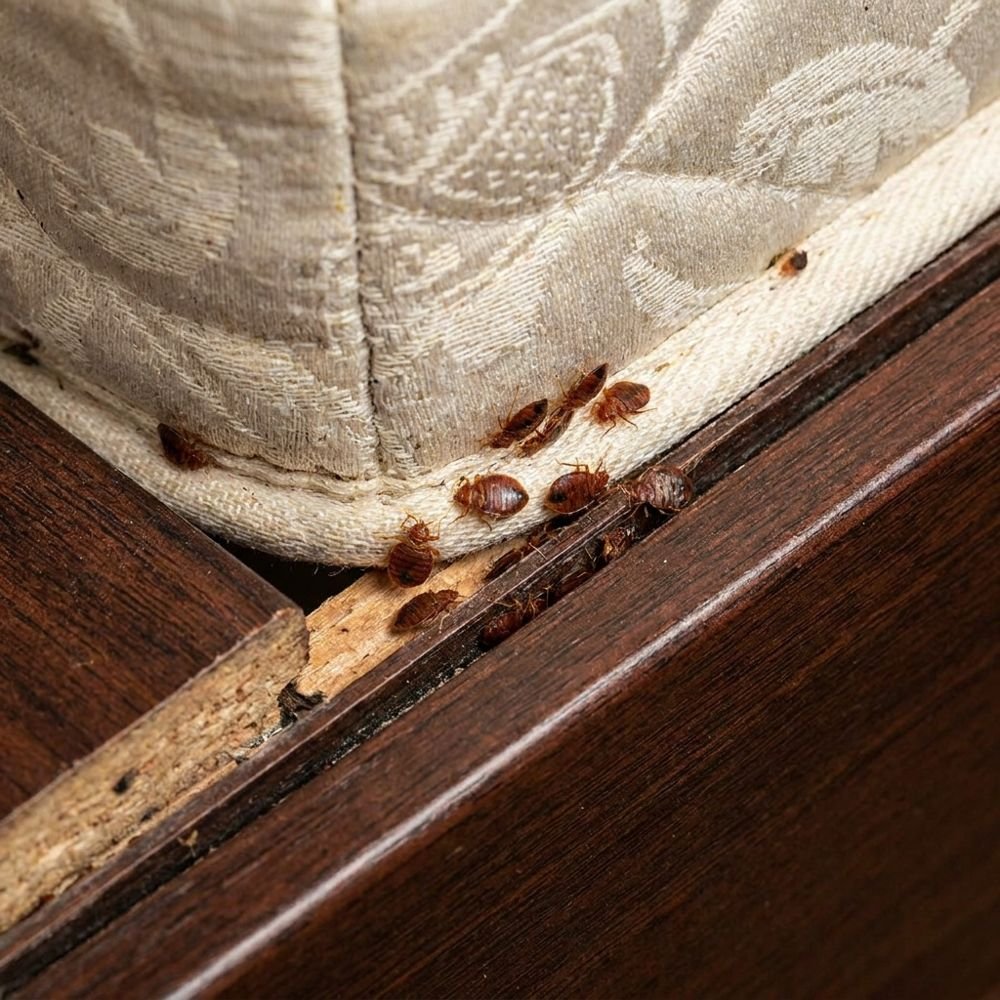
Bed Bugs
Small, flat, reddish-brown insects that feed on human blood at night and hide in mattress seams, bed frames and furniture. They do not spread disease, but they are hard to eliminate and spread easily. Early...
Read more →Bees
A broad group of pollinating insects that includes social and solitary species. Some may nest in cavities, soil, wood, or structural voids; stinging risk varies by species and nest location.
Read more →Beetles
A very large insect group characterized by hardened front wings. Pest beetles may attack stored food, fabrics, wood, plants, or simply enter buildings as occasional invaders.
Read more →Black Flies
Small, dark, hump-backed flies whose females may take blood meals from people and animals. They usually breed in clean, flowing water and are most troublesome outdoors near streams and rivers.
Read more →Black Widow Spiders
A medically significant cobweb spider, typically glossy dark in color; adult females often have a red hourglass marking beneath the abdomen. They favor protected, undisturbed areas and bites can require medical...
Read more →Blow Flies
Metallic or dull-colored flies that commonly breed in carrion, animal waste, garbage, or other decomposing organic matter. Indoor activity can indicate a sanitation problem or a dead animal nearby.
Read more →Boxelder Bugs
Black-and-red true bugs associated with boxelder and some maple trees. They often gather on sunny exterior walls and enter buildings in large numbers to overwinter.
Read more →Brown-Banded Roaches
Small cockroaches with pale bands across the wings or abdomen. They prefer warmer, drier areas than German cockroaches and may infest upper cabinets, furniture, electronics, bedrooms, and offices.
Read more →Bumble Bees
Large, robust, fuzzy bees that usually nest in the ground or in protected cavities. They are important pollinators and are generally less aggressive away from the nest, though workers and queens can sting.
Read more →Canada Geese
Large waterfowl that can become nuisance wildlife on lawns, ponds, golf courses, and commercial properties. Problems include droppings, turf damage, noise, and defensive behavior during nesting season.
Read more →Carpenter Ants
Large black ants that excavate galleries in wood to nest, usually where wood has been damaged by moisture. They don't eat wood, but heavy infestations can weaken it. Finding the nest and the moisture source is the key.
Read more →Carpenter Bees
Large solitary bees that bore round nesting tunnels into unfinished or weathered wood. Males may hover defensively but cannot sting; females can sting but usually do so only when handled or threatened.
Read more →Carpet Beetles
Small beetles whose hairy larvae feed on animal-based materials such as wool, fur, feathers, hair, lint, dead insects, and some stored foods. Larvae are the damaging stage indoors.
Read more →Cellar Spiders
Long-legged, delicate spiders that build loose webs in basements, crawlspaces, garages, and other quiet areas. They are generally harmless and feed on small insects and other spiders.
Read more →Centipedes and Millipedes
Moisture-loving arthropods with many legs. Centipedes are fast predators with one pair of legs per body segment, while millipedes are slower decomposers with two pairs per most segments and often wander indoors after...
Read more →Chipmunks
Small striped ground squirrels that burrow near foundations, landscaping, retaining walls, and gardens. They can disturb soil, raid birdseed, and occasionally enter garages or structures.
Read more →Cigarette Beetles
Small reddish-brown stored-product beetles whose larvae feed on tobacco, spices, pet food, dried plant material, grains, and many packaged foods. Adults are strong fliers and may be seen near windows or lights.
Read more →Citronella Ants
Yellow to yellow-brown ants that give off a lemon/citronella odor when crushed. They usually nest in soil and feed on honeydew from root-feeding insects, but winged forms may appear indoors during swarms.
Read more →Clothes Moths
Small moths whose larvae feed on wool, fur, feathers, hair, and other animal-based fibers. Damage is usually found in dark, undisturbed storage areas rather than around lights.
Read more →Clover Mites
Tiny reddish mites that feed on grasses and ornamental plants. They often invade buildings in large numbers around windows and foundations but do not bite people or damage household items.
Read more →Cluster Flies
Slow-moving flies that enter buildings in late summer or fall to overwinter in attics and wall voids. Their larvae develop as parasites of earthworms outdoors; indoor adults do not breed in garbage or drains.
Read more →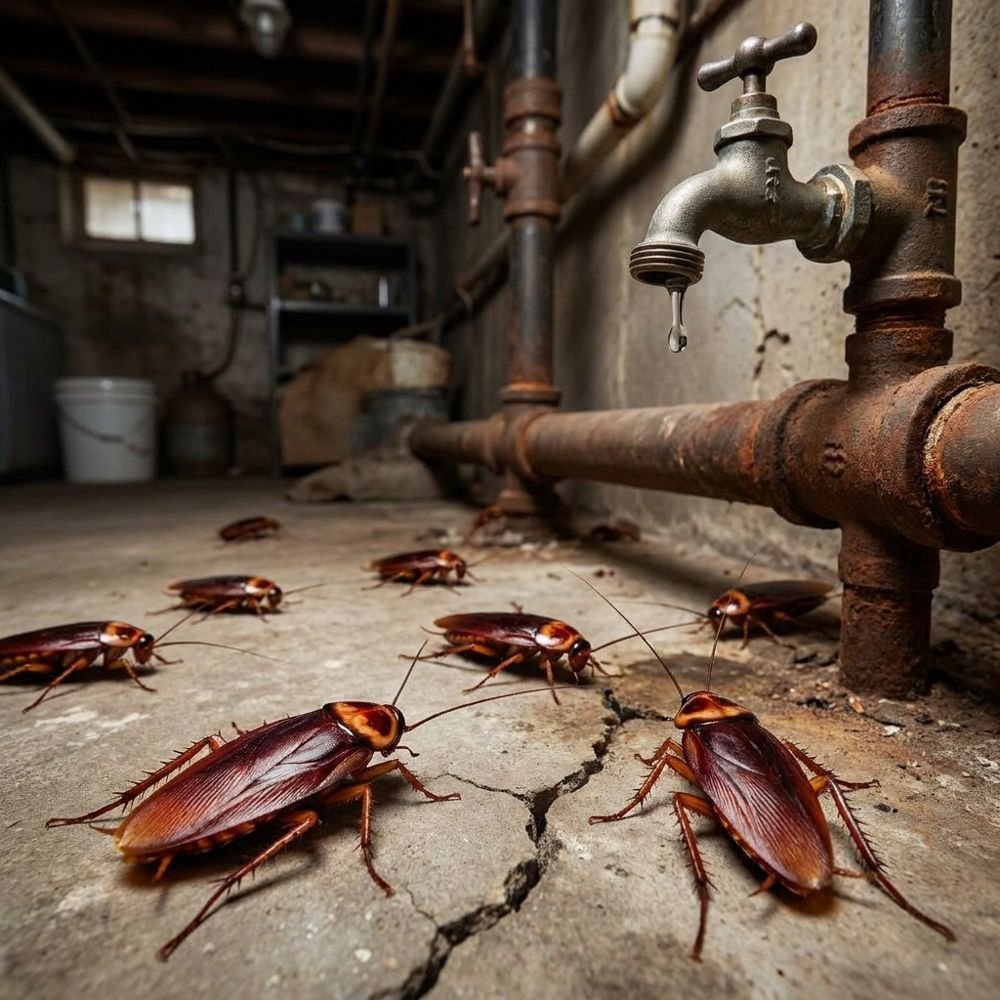
Cockroaches
Flattened, fast-moving insects that hide in cracks and dark harborages and usually forage at night. Different species favor different moisture and temperature conditions, and infestations can contaminate food and...
Read more →Crane Flies
Long-legged flies that resemble oversized mosquitoes but generally do not bite. Adults are often attracted to lights, while larvae usually live in moist soil, turf, or decaying organic matter.
Read more →Crickets
Jumping insects known for chirping, especially males. Field and house crickets may enter structures and can damage fabrics, paper, stored goods, or become a noise nuisance.
Read more →Daddy Longlegs
A common name often used for harvestmen, which are arachnids with a single rounded body and very long legs. They do not have venom glands like spiders and are generally harmless scavengers or predators.
Read more →Death Watch Beetles
Wood-boring beetles whose larvae develop in seasoned hardwoods, especially older, damp, or fungus-affected timbers. Adults may produce a tapping sound associated historically with the name 'deathwatch.'
Read more →Deer Mice
Small mice with a brownish back, white underside, large eyes, and a distinctly bicolored tail. They are common in rural or wooded settings and may enter sheds, garages, attics, and homes.
Read more →Deer Tick
A small hard tick, also called the blacklegged tick, that spreads Lyme disease and other infections. Nymphs are tiny and easy to miss. Check daily, remove ticks promptly, and see a doctor if symptoms follow a bite.
Read more →Digger Bees and Wasps
Ground-nesting solitary bees or wasps that excavate individual burrows in bare or sandy soil. Most are not aggressive away from their nests and many are beneficial pollinators or predators.
Read more →Drain Flies
Tiny fuzzy, moth-like flies that breed in the organic film inside drains, floor drains, sewage areas, and other wet sites. Persistent adults usually indicate a nearby moist breeding source.
Read more →Drugstore Beetles
Small brown stored-product beetles whose larvae feed on a very wide range of dried foods, spices, pharmaceuticals, pet foods, books, and plant materials. They can chew through thin packaging.
Read more →Earwigs
Elongated insects with forceps-like pincers at the rear of the abdomen. They prefer damp, protected outdoor habitats and may wander indoors, especially during hot, dry, or very wet weather.
Read more →False Powder Post Beetle
A wood-boring beetle group in which larvae tunnel through seasoned wood, bamboo, or wood products. Adults typically emerge through round exit holes, leaving frass or powder near infested material.
Read more →Field Ants
Medium-to-large outdoor ants that usually nest in soil, lawns, fields, or beneath objects. Some species build noticeable mounds and may enter structures while foraging for sweets or insects.
Read more →Fire Ants
Aggressive mound-building ants known for painful stings. Colonies are usually outdoors in soil and can quickly defend nests when disturbed, posing a risk to people, pets, and livestock.
Read more →Fleas
Tiny jumping insects that bite pets and people. Most of the population lives as eggs, larvae and pupae in carpet and bedding, so you need your vet for the pet, steady cleaning and sometimes a professional.
Read more →Flies
A broad group of two-winged insects. Pest flies may breed in food waste, drains, manure, carrion, standing water, or other organic material and can be important sanitation indicators.
Read more →Flour Beetles
Stored-product beetles that infest flour, cereal, meal, spices, and other processed grain products. They generally feed on broken or milled material rather than intact kernels.
Read more →Flying Squirrels
Nocturnal squirrels with a skin membrane that allows gliding between trees. They may enter attics and wall spaces through small openings and can create noise, nesting, contamination, or chewing damage.
Read more →Fruit Flies
Very small flies attracted to fermenting fruits, vegetables, beverages, syrup residues, and moist organic buildup. They reproduce quickly and are common in kitchens, bars, restaurants, and food-processing areas.
Read more →Fungus Gnats
Small dark gnats whose larvae develop in moist soil, potting media, and decaying plant material where fungi are present. Indoor activity is often associated with overwatered houseplants.
Read more →German Roaches
Small tan cockroaches with two dark stripes behind the head. They breed quickly in warm kitchens and bathrooms, can aggravate allergies and asthma, and are hard to clear without professional help.
Read more →Ghost Ants
A very small ant with a dark head and thorax but pale legs and abdomen, making it difficult to see. Colonies can contain multiple queens and often nest in wall voids, cabinets, potted plants, or moist areas.
Read more →Gnats
A general term for several kinds of very small flies. Indoor gnats are commonly associated with moisture, drains, decaying organic matter, plants, or other breeding sources depending on the species.
Read more →Granary Weevils
A stored-grain weevil whose larvae develop inside whole kernels of wheat, corn, rice, and other grains. Adults cannot fly and may be found in bulk grain or infested pantry products.
Read more →Grasshoppers
Plant-feeding insects with powerful hind legs for jumping. They are mainly outdoor pests and can damage grasses, crops, gardens, and ornamental vegetation when populations are high.
Read more →Ground Beetles
Usually dark, fast-running beetles that live at soil level and prey on other insects. They are generally beneficial outdoors but may wander indoors accidentally, especially around doors, garages, and basements.
Read more →Ground Squirrels
A group of burrowing squirrels that live primarily on or below the ground. Their tunnels can damage landscapes, undermine structures, and create trip hazards, while the animals may feed on gardens and crops.
Read more →Groundhogs
Also called a woodchuck, this large burrowing rodent feeds on vegetation and can damage gardens, lawns, foundations, slabs, and embankments through digging.
Read more →Hobo Spiders
Funnel-web spiders that build sheet-like webs with a retreat, often near ground level. They are generally shy and bites are uncommon; modern evidence does not support many older claims of severe necrotic injury.
Read more →Honey Bees
Highly social pollinating bees that live in colonies with a queen and workers. They may establish nests in tree cavities, wall voids, chimneys, or other enclosed spaces and can sting when the colony is threatened.
Read more →Hornets
Social wasps that build paper nests in trees, shrubs, structures, or cavities depending on species. They can defend nests aggressively and may sting repeatedly.
Read more →Horse Flies and Stable Flies
Blood-feeding flies associated with livestock and outdoor environments. Horse flies are larger, while stable flies resemble house flies but have a piercing mouthpart; both can inflict painful bites.
Read more →House Flies
Common gray flies that breed in garbage, manure, animal waste, and decaying organic matter. They can mechanically carry microorganisms from contaminated material to food and surfaces.
Read more →House Mouse
A small gray-brown commensal rodent that lives closely with people. It nests in wall voids, stored materials, insulation, equipment, and other sheltered spaces and can contaminate food with droppings and urine.
Read more →House Sparrows
Small nonnative birds that readily nest on buildings, signs, eaves, vents, and other structures. Accumulated droppings, nesting material, noise, and food contamination can create nuisance problems.
Read more →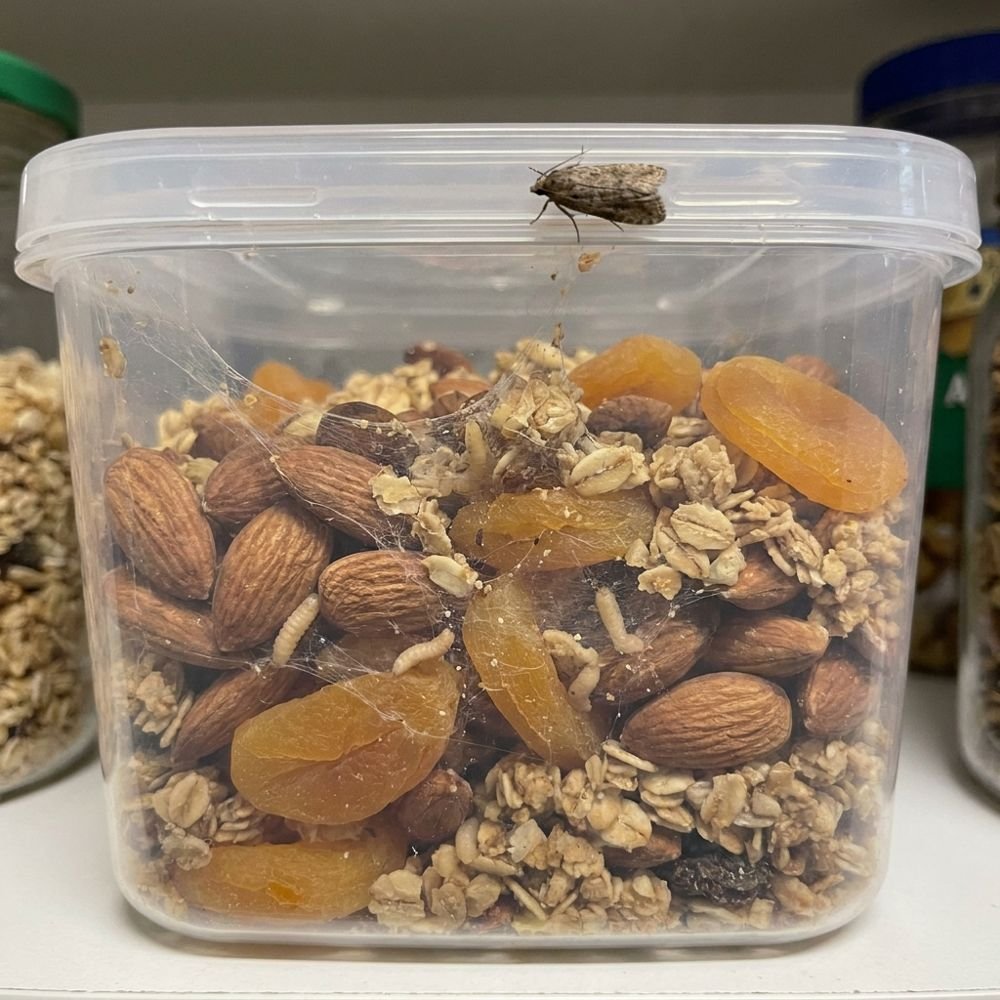
Indian Meal Moths
One of the most common stored-product moths. Larvae infest grains, cereals, nuts, pet food, dried fruit, seeds, and many packaged foods and often leave silken webbing.
Read more →June Beetles
Robust scarab beetles that often fly to lights in late spring or summer. Adults may feed on foliage, while larvae ('white grubs') live in soil and can damage turf or plant roots.
Read more →Lady Beetles
Predatory beetles, many of which are beneficial because they feed on aphids and other plant pests. Some species, especially multicolored Asian lady beetles, enter buildings in large numbers to overwinter.
Read more →Mice
Small rodents that nest in warm, hidden places, contaminate food, gnaw wiring and breed quickly. Exclusion and careful cleanup are the long-term fix, so call a professional for a proper inspection.
Read more →Midges
Small, delicate flies resembling mosquitoes. Some species bite, but many do not; non-biting midges often breed in aquatic habitats and may swarm around lights in large numbers.
Read more →Mites
Tiny arachnids related to ticks. Pest mites may live on plants, birds, rodents, stored foods, or animals, and some species can bite people or become nuisance invaders.
Read more →Moles
Subterranean mammals that tunnel through lawns and soil while feeding mainly on earthworms and other invertebrates. Their raised ridges and mounds can damage turf and landscaping.
Read more →Mosquitoes
Small biting flies whose females need blood and whose young develop in standing water. Mosquitoes can spread West Nile virus and other germs. Dumping standing water weekly and using repellent are the best steps.
Read more →Moths
A broad group of winged insects related to butterflies. Pest moths may damage stored foods, fabrics, or plants depending on the species; the larval stage usually causes the feeding damage.
Read more →Night Fliers
A general term for insects that are active after dark and are often attracted to exterior or interior lighting. It can include moths, beetles, midges, caddisflies, and other nocturnal insects.
Read more →Norway Rat
A large, heavy-bodied rat that commonly burrows at ground level and lives around sewers, dumpsters, foundations, crawlspaces, and food facilities. It is an excellent swimmer and usually travels along established runways.
Read more →Occasional Invaders
A broad category for pests that enter buildings incidentally but usually do not reproduce indoors. Examples can include boxelder bugs, lady beetles, millipedes, ground beetles, and other seasonal invaders.
Read more →Oriental Roaches
Dark brown to black cockroaches that prefer cool, damp environments such as basements, crawlspaces, floor drains, sewers, and utility areas. They are less agile on smooth surfaces than some other cockroach species.
Read more →Paper Wasps
Slender social wasps that build open, umbrella-shaped paper combs under eaves, railings, branches, and sheltered structures. Colonies defend the nest and can sting repeatedly.
Read more →Pavement Ants
Pavement ants are small brown-to-black ants that commonly nest under sidewalks, slabs, foundations, and masonry and may forage indoors for sweets, grease, and proteins.
Read more →Pharaoh Ants
Very small yellowish ants that form large, multi-queen colonies and readily nest inside heated buildings. Improper disturbance can cause colonies to split or 'bud,' spreading the infestation.
Read more →Phorid Flies
Tiny hump-backed flies that often run in short bursts before flying. They breed in decaying organic matter, sewage, drain buildup, contaminated soil, or hidden leaks and can indicate serious sanitation or plumbing...
Read more →Pigeons
Urban birds that commonly roost and nest on ledges, roofs, signs, bridges, and equipment. Droppings, nesting debris, feathers, and associated parasites can create sanitation and maintenance problems.
Read more →Pill Bugs
Small crustaceans also called roly-polies that live in moist areas under mulch, stones, logs, and debris. They do not bite or damage structures and usually die quickly indoors because of low moisture.
Read more →Psocids
Tiny insects often called booklice or barklice. Indoors they feed mainly on molds, fungi, starches, and microscopic organic material and are strongly associated with high humidity or damp conditions.
Read more →Rabbits
Plant-feeding mammals that can damage gardens, ornamental plants, turf, and young trees by browsing and gnawing. They commonly shelter in dense vegetation, brush, or shallow ground nests.
Read more →Raccoons
A highly adaptable nocturnal mammal that may den in attics, chimneys, crawlspaces, sheds, and under decks. It can damage structures while entering and may contaminate areas with feces, urine, and nesting material.
Read more →Rats
Large rodents that burrow around foundations or nest in attics, gnaw wiring and spread contamination. Sanitation and exclusion help, but rats usually call for a licensed professional.
Read more →Red Flour Beetle
A reddish-brown stored-product beetle that infests flour, cereal, meal, spices, pet food, and other processed grain products. It does not usually attack sound whole grain but thrives in milled or damaged material.
Read more →Rice Weevils
Small stored-grain weevils whose larvae develop inside whole kernels. Adults can fly and commonly infest rice, wheat, corn, and other grains in storage or packaged foods.
Read more →Roof Rat
A slender, agile rat with a long tail that readily climbs and often nests above ground in attics, ceilings, trees, vines, and upper structural areas. It is especially common in warmer regions.
Read more →Sac Spiders
Hunting spiders that rest in small silk sacs rather than permanent capture webs. They may wander indoors on walls and ceilings and can bite if trapped against the skin, though serious reactions are uncommon.
Read more →Sawtoothed Grain Beetle
A small, flat stored-product beetle with saw-like projections along the sides of the thorax. It infests cereals, flour, nuts, dried fruit, pet food, and many other dry foods.
Read more →Silverfish
Wingless, silvery insects with three tail-like filaments that prefer humid, protected areas. They feed on starches and carbohydrates found in paper, glue, books, wallpaper paste, fabrics, and stored materials.
Read more →Smoky Brown Roaches
Large, dark mahogany-brown cockroaches that favor warm, humid outdoor or semi-outdoor environments. They often occur in tree holes, mulch, gutters, attics, crawlspaces, and around buildings in warm climates.
Read more →Snakes
Legless reptiles that may enter yards, crawlspaces, garages, basements, or buildings while seeking prey or shelter. Species vary greatly in risk, so identification and local wildlife regulations are important.
Read more →Soft Ticks
Ticks in the family Argasidae with a leathery body and no hard dorsal shield. They often live in nests, roosts, burrows, or cracks near hosts and typically feed for shorter periods than hard ticks.
Read more →Sparrows
Small birds that may roost or nest on and in buildings. Pest concerns include droppings, nesting debris, noise, food contamination, and blocked vents or drainage areas.
Read more →Spiders
Predatory arachnids with eight legs that usually enter buildings in search of prey or shelter. Most species are harmless to people, but webs, sightings, and occasional medically important species can create concerns.
Read more →Spotted Lanternfly
An invasive planthopper that feeds on sap from many plants, especially tree-of-heaven, grapes, and some trees. Heavy populations excrete honeydew, which promotes sooty mold and can stress plants.
Read more →Springtails
Tiny jumping arthropods that thrive in very moist environments and feed on fungi, algae, and decaying organic matter. Indoor infestations usually point to excess moisture, leaks, or damp soil.
Read more →Squirrels
Tree-dwelling or ground-dwelling rodents that can become nuisance wildlife around buildings. They may enter attics, soffits, chimneys, and wall voids, where gnawing, nesting, and noise can cause damage.
Read more →Starlings
Medium-sized flocking birds that commonly nest or roost on buildings, signs, vents, trees, and structures. Large groups can create substantial droppings, noise, nesting debris, and food contamination.
Read more →Stink Bugs
Shield-shaped true bugs that release a strong odor when disturbed. Some species damage crops, while others enter buildings in fall to overwinter and become nuisance invaders.
Read more →Termites
Social, wood-eating insects that nest in the soil and tunnel into structures, often unseen for years. In the Mid-Atlantic the eastern subterranean termite is the main concern. Inspection and professional treatment...
Read more →Thrips
Very small, slender insects that feed by rasping and sucking plant tissues. They can cause stippling, scarring, distorted growth, and flower damage, and some species transmit plant viruses.
Read more →Ticks
Blood-feeding arachnids that attach to mammals, birds, reptiles, or people. Different species occur in distinct habitats and some can transmit pathogens that cause serious disease.
Read more →Tree Crickets, Katydids, and Cicadas
A combined category for outdoor sound-producing insects commonly associated with trees and vegetation. Tree crickets and katydids are relatives of crickets, while cicadas are sap-feeding true bugs; all may be...
Read more →Treehoppers, Planthoppers, and Leafhoppers
A broad category for sap-feeding true bugs such as treehoppers, planthoppers, and leafhoppers. They feed on plant juices, can produce honeydew, and some species transmit plant diseases.
Read more →Voles
Small, stocky field rodents that make surface runways and shallow burrows in lawns and vegetation. They feed on grasses, roots, bulbs, bark, and garden plants and can damage landscaping.
Read more →Warehouse Beetles
Stored-product beetles whose larvae feed on a wide range of dried animal and plant products, including seeds, grains, pet foods, dead insects, and processed foods. Larval hairs can contaminate products.
Read more →Wasps
Social wasps such as paper wasps, yellowjackets and hornets defend their nests and can sting repeatedly. Colonies are largest in late summer. Leave nest removal to a professional, and call 911 for signs of a serious...
Read more →Wharf Borer
A reddish-brown wood-boring beetle associated with damp, decaying wood, especially in waterfront, basement, crawlspace, or chronically moist structural areas. Its presence often indicates wood moisture and fungal decay.
Read more →Wolf Spiders
A robust hunting spider that does not rely on a capture web. Wolf spiders usually live at ground level, are fast-moving, and may enter buildings accidentally; they are generally not dangerous to people.
Read more →Wood Roaches
Outdoor cockroaches associated with leaf litter, logs, firewood, and wooded habitats. Males may fly to lights and enter buildings, but most species do not establish persistent indoor infestations.
Read more →Yellow Jackets
Aggressive social wasps that may nest underground, in wall voids, cavities, or aerial nests depending on species. They are attracted to sweets and proteins and can sting repeatedly when threatened.
Read more →No matches. Try another word, or identify a bug from a photo.