Fleas
NuisanceTiny jumping insects that bite pets and people. Most of the population lives as eggs, larvae and pupae in carpet and bedding, so you need your vet for the pet, steady cleaning and sometimes a professional.
What it is
Fleas are tiny, wingless, blood-feeding insects that live on mammals and birds. The species that matters in most homes is the cat flea (Ctenocephalides felis). Despite its name, the cat flea is the most common flea on both cats and dogs, and it also bites people. The Connecticut Agricultural Experiment Station's fact sheet describes it as the most common flea pest in the Northeast.
Life cycle: most of the flea is not on your pet
Fleas have complete metamorphosis with four stages: egg, larva, pupa and adult. This is the most important thing to understand about them.
- Eggs: adult females lay eggs while on a host. The eggs are smooth and are not sticky, so they fall off into carpet, bedding, furniture and soil wherever the pet rests.
- Larvae: tiny, worm-like and avoid light. They live deep in carpet fibers, cracks and bedding, and feed on organic debris, including the dried blood and droppings (flea dirt) shed by adults.
- Pupae: the larva spins a sticky cocoon that picks up debris, which camouflages it. The pupa can stay dormant and then emerge as an adult when it senses vibration, warmth or carbon dioxide from a potential host. This is why fleas can suddenly appear in a long-vacant home when someone moves in.
- Adults: newly emerged adults must find a host quickly. They begin feeding within minutes and females start laying eggs within a day or two.
Because the immature stages live in the environment, only a small fraction of a flea population is on the pet at any given time. That is why treating the pet alone, or the house alone, often fails.
Speed
Under warm, humid conditions the cycle can be completed in a few weeks, and a female can lay dozens of eggs per day. A small number of fleas can become a serious infestation in a short time.
How to recognize it
Adults
- Size: about 1 to 3 millimeters long, which is roughly the size of a sesame seed.
- Shape: flattened from side to side, which helps them move through fur.
- Color: reddish-brown to dark brown, darker after feeding.
- Movement: they jump, using powerful hind legs, and can cover long distances relative to their size. They do not fly.
Signs of fleas on pets
- Scratching, licking, chewing or biting at the skin, particularly around the tail base, hind legs and belly.
- Flea dirt: small black specks in the fur that look like ground pepper. Place them on a damp white paper towel; flea dirt will dissolve into reddish-brown streaks because it is digested blood.
- Hair loss, red bumps and scabs. Some pets develop flea allergy dermatitis, a severe allergic reaction to flea saliva.
- Pale gums, weakness and lethargy in heavy infestations of small animals, which can indicate anemia.
Signs in the home
- Small, itchy red bites on people, typically around the ankles and lower legs, often in clusters or lines.
- Fleas jumping onto light-colored socks when you walk across the carpet.
- Flea dirt on pet bedding and where pets rest.
Look-alikes
- Bed bugs are larger, flat from top to bottom, and do not jump. See the bed bugs page.
- Springtails and other tiny jumping insects do not bite, and they are often found in damp areas.
- Carpet beetles, gnats and mites can cause itchy skin or be confused with fleas.
Where you will find it
On animals
Fleas live on dogs, cats, and also on wildlife such as raccoons, opossums, squirrels and feral cats. Wildlife can bring fleas into yards and under decks and porches.
In the home
Because eggs and larvae fall off the host, flea problems concentrate where the pet spends time:
- Pet beds, blankets, rugs and carpet
- Upholstered furniture and the cracks of couches
- Cracks in floors and baseboards
- Bedrooms, if pets sleep on the bed
In the yard
Shaded, humid, protected areas where animals rest are the best flea habitat outdoors. Sun-baked, dry lawns are poor habitat for immature fleas. Fleas can be abundant under porches, decks and sheds where wildlife or stray cats shelter.
Seasonality
Fleas are most active in warm, humid months, but indoor heating means they can persist all year. Homes can see a late-summer and fall surge.
Why it matters
Itching and skin problems
Flea bites cause intensely itchy welts in people and pets. Scratching can lead to skin infections. Flea allergy dermatitis is a common cause of skin disease in dogs and cats.
Anemia
Heavy infestations on young, small or ill animals can cause blood loss and anemia.
Tapeworms
Pets can get tapeworms (Dipylidium caninum) by swallowing infected fleas while grooming. Children can also be infected, but this is uncommon.
Disease
Fleas are known to transmit disease agents in some settings. Cat fleas can carry Bartonella henselae, the bacterium associated with cat-scratch disease. Rodent fleas carry other pathogens. These risks are generally low, but they are one reason to take flea control seriously.
Hard to eliminate
The pupal stage is protected inside a cocoon and can survive for weeks to months, so new fleas continue to emerge after the initial treatment. This is why a flea problem often seems to rebound a few weeks later, and why consistent treatment over several weeks is typically needed.
What to do
Start with your veterinarian
Your veterinarian is the right partner for flea control on pets. Modern prescription and over-the-counter products vary in safety for different species, ages and weights. Some dog products are toxic to cats. Ask your vet to recommend a product and a schedule, and give it consistently. Don't switch products without advice.
Clean the environment
These steps are safe and help reduce fleas in the home:
- Wash pet bedding, blankets and your own bedding in hot water and dry on high heat every week or so during an infestation.
- Vacuum frequently, including carpets, rugs, upholstery, baseboards and cracks. Vibration from vacuuming stimulates pupae to emerge, which exposes them to treatments. Empty the vacuum canister or seal and discard the bag outdoors immediately.
- Declutter areas where pets sleep so they are easier to clean.
- Keep up the routine for several weeks, since pupae continue to emerge.
Check the yard
- Keep pets away from areas where wildlife and strays rest.
- Trim vegetation and keep the lawn mown, so sun and dry air reach the soil.
- Block off crawl spaces and areas under decks to wildlife, so they are not harboring fleas. Do this after checking that no animals are inside, and consult a wildlife professional if they are.
What not to do
- Don't use foggers or bombs. They don't reach the places where larvae live, and they can be hazardous.
- Don't apply dog flea products to cats or use products that are not labeled for your pet's species, weight and age. Misuse can poison pets.
- Don't apply chemicals to carpet or furniture yourself without professional guidance. Choice, timing and safety around pets, children and fabrics matter.
- Don't expect one treatment to solve it. Persistence over several weeks is part of the process.
When to call a professional
Call your veterinarian if
- Your pet is scratching constantly, losing hair or has skin sores.
- A young, small or ill animal has fleas, since anemia can develop quickly.
- You see tapeworm segments (small rice-like pieces) around the pet's tail or in stools.
- You want a safe, effective prevention plan.
Call a pest professional if
- Fleas keep coming back after you and your vet have treated your pet and cleaned.
- People in the home are being bitten.
- You have wildlife or stray animals living under the porch, deck or in the crawl space.
- You are moving into a house that was vacant, or that has had pets, and fleas appear.
A professional can confirm the species, find the areas where flea larvae develop, and use targeted, safe treatments in combination with your vet's plan. Ask what you should do before and after treatment, such as vacuuming and laundering.
Call a doctor if
- Bites look infected, or you develop fever or swollen lymph nodes after a flea bite or cat scratch.
Sources
Questions
Why do fleas come back after treatment?
Pupae are protected in cocoons and can emerge weeks later, so new adults keep appearing. Consistent treatment and cleaning for several weeks is usually needed.
What is flea dirt?
Small black specks of flea droppings made of digested blood. On a damp white paper towel they dissolve into reddish streaks.
Can fleas live on people?
Fleas bite people but prefer fur or feathers. Bites usually show up on ankles and lower legs.
Can I use my dog's flea treatment on my cat?
Never without your vet's approval. Some dog products are toxic to cats.
Related reading
Related pests
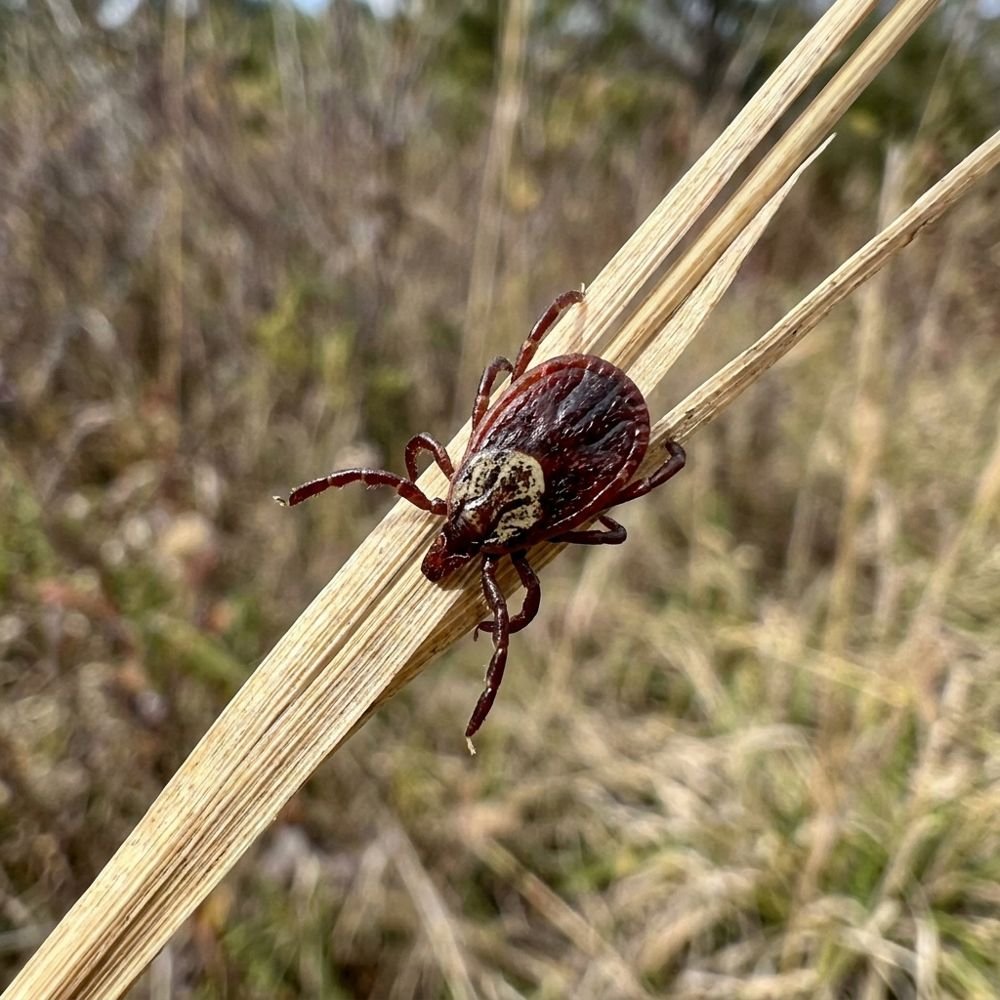
American Dog Tick
A hard tick with white markings on a brown body, common in tall grass and brushy edges. It can spread Rocky Mountain spotted fever and tularemia, but not Lyme disease. Check people and pets after time outdoors and...
Read more →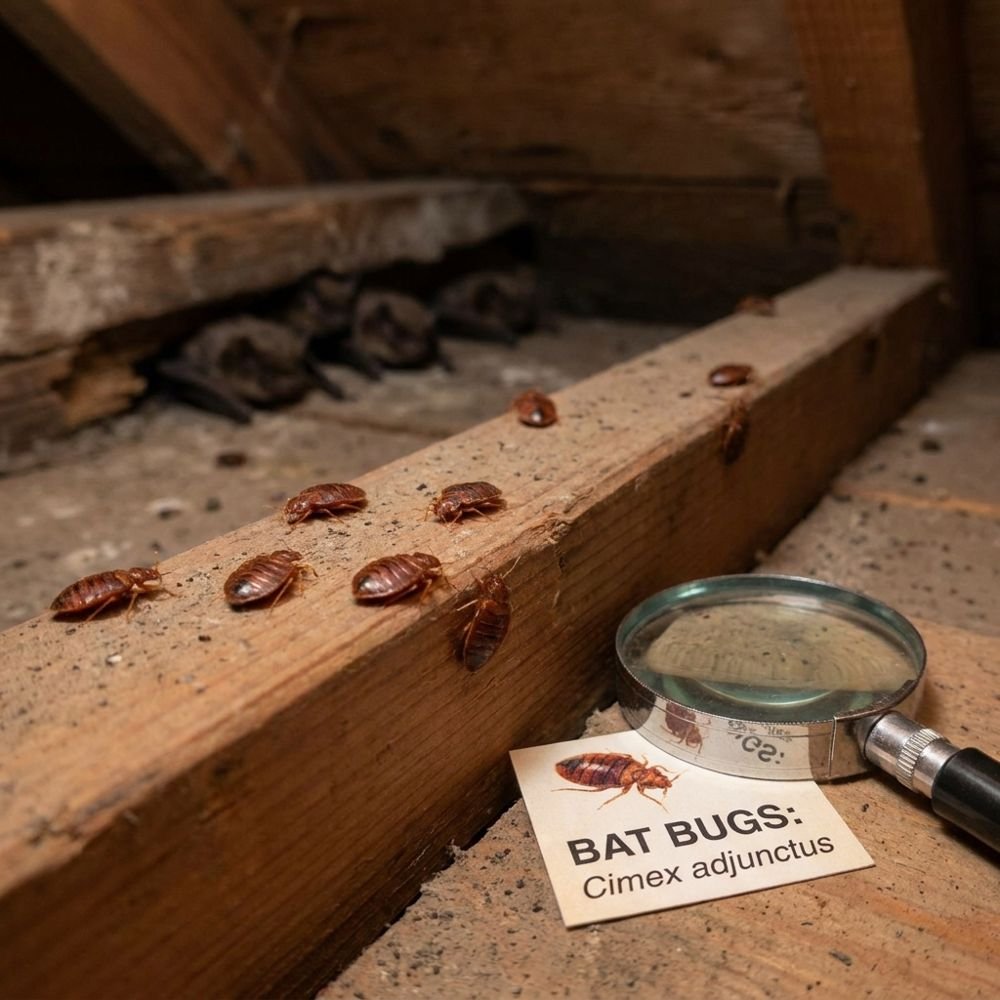
Bat Bugs
Blood-feeding insects closely related to bed bugs that primarily parasitize bats. They can wander into occupied rooms when bats leave a structure and may occasionally bite people.
Read more →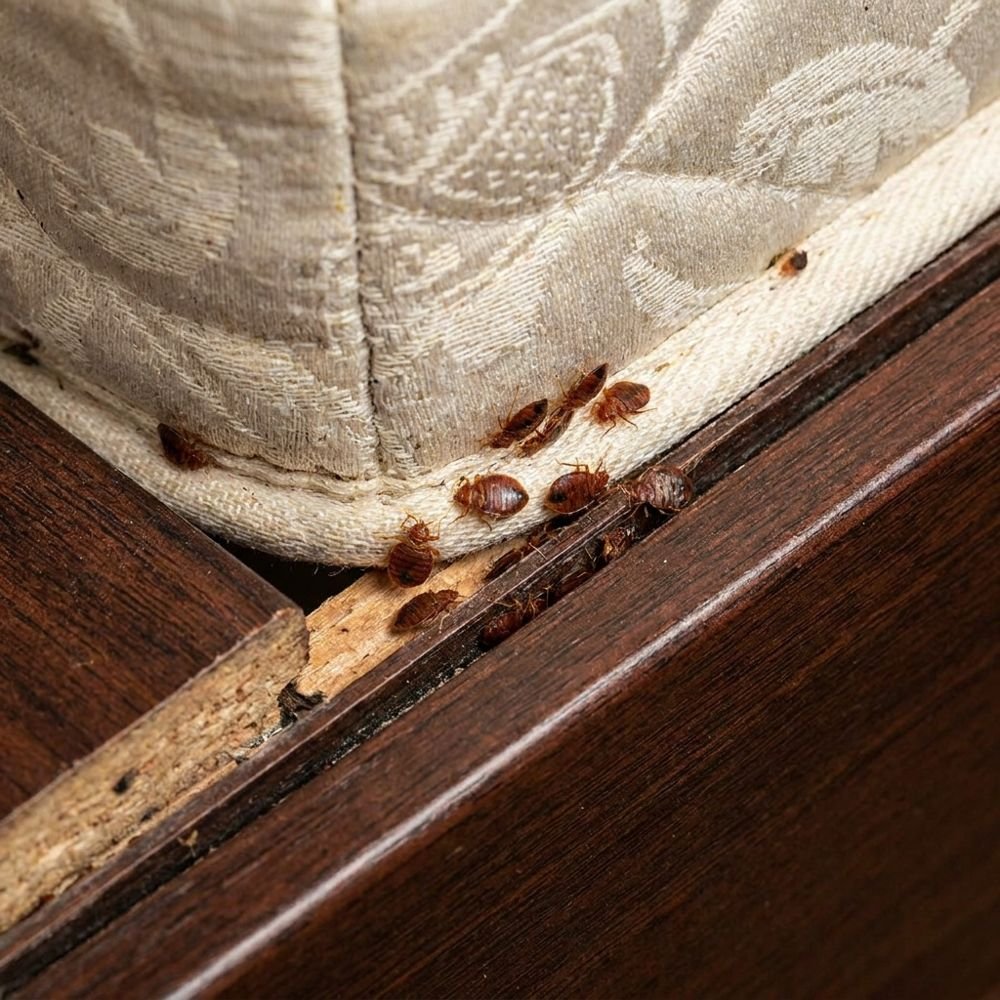
Bed Bugs
Small, flat, reddish-brown insects that feed on human blood at night and hide in mattress seams, bed frames and furniture. They do not spread disease, but they are hard to eliminate and spread easily. Early...
Read more →Deer Tick
A small hard tick, also called the blacklegged tick, that spreads Lyme disease and other infections. Nymphs are tiny and easy to miss. Check daily, remove ticks promptly, and see a doctor if symptoms follow a bite.
Read more →This page is general information, not a diagnosis. Pests vary by region and situation, and an on-site inspection is the reliable way to know what you have.