Bed Bugs
Cimex lectularius
Nuisance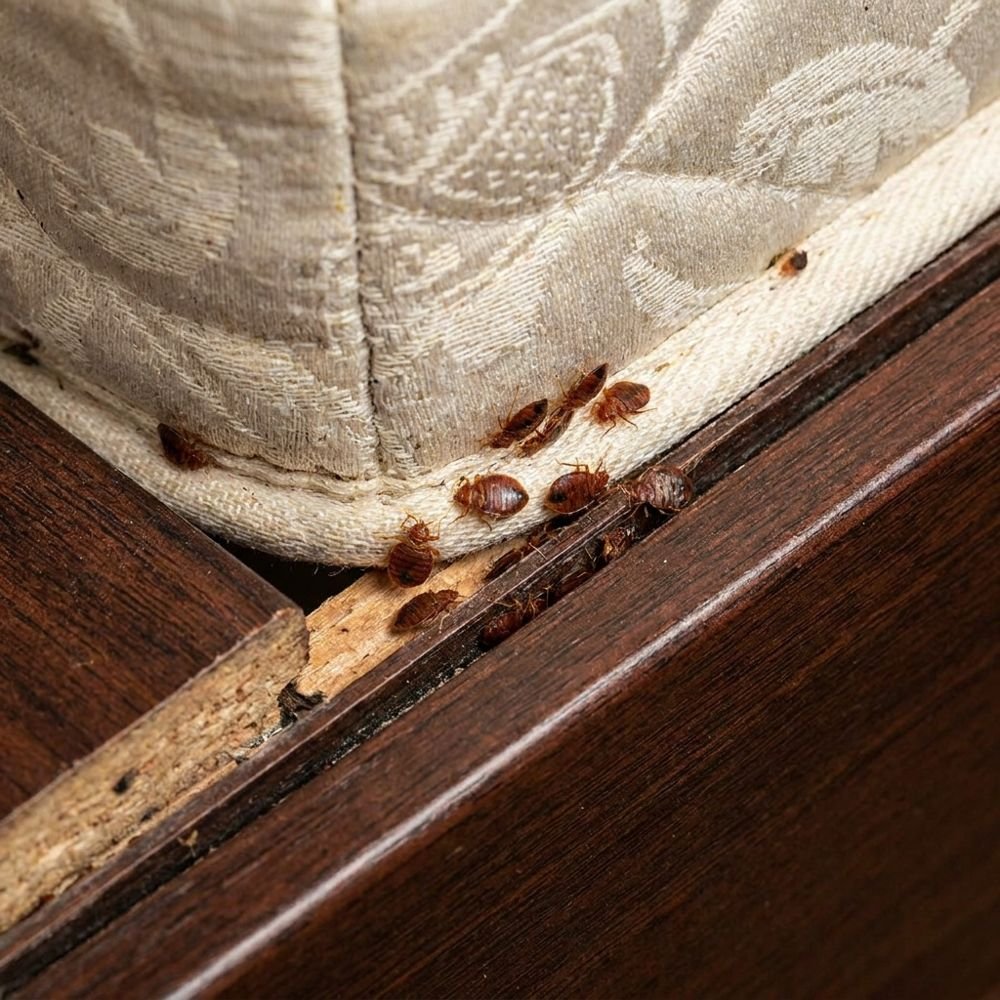
Image: AI-generated illustration
Small, flat, reddish-brown insects that feed on human blood at night and hide in mattress seams, bed frames and furniture. They do not spread disease, but they are hard to eliminate and spread easily. Early professional help usually saves time and money.
What it is
Bed bugs (Cimex lectularius, the common bed bug) are small, wingless insects that feed on the blood of people and animals, and they prefer humans. They are not a sign of a dirty home. They hitchhike, and they turn up in spotless houses, luxury hotels, dorms, apartments and offices alike. Penn State Extension describes them as one of the most difficult household pests to control, and that reputation is earned.
An adult is about the size and shape of an apple seed: oval, flat from top to bottom when unfed, and reddish-brown. After a meal the body swells, lengthens and darkens. Bed bugs cannot fly or jump. They crawl, and they are surprisingly quick for their size.
Life cycle
A bed bug develops through three broad stages: egg, nymph and adult. Females lay small, pale, sticky eggs, usually in hidden cracks and crevices. The nymphs hatch looking like tiny, pale, translucent versions of the adult, and they must take a blood meal before each of their five molts. Nymphs and adults both feed, and a well-fed adult female keeps laying eggs. Warm indoor temperatures speed up the cycle, which is why populations can grow quickly in heated buildings.
They are built for hiding
Bed bugs avoid light and spend most of their time hiding close to where people sleep or sit for long periods. They come out mainly at night, feed for a few minutes, and retreat. A bed bug can survive for months without a meal, so an empty room or a vacation does not always starve them out.
How to recognize it
The bugs themselves
- Adults: about 4 to 5 millimeters long, flat and oval, reddish-brown. A recently fed adult looks rounder and darker.
- Nymphs: smaller and lighter in color, down to the size of a pinhead for the youngest. They can be hard to see on a light-colored sheet.
- Eggs: tiny, whitish and stuck to surfaces in hidden spots.
- Shed skins: pale, empty, bug-shaped husks left behind after each molt.
Signs they leave behind
- Small dark or rusty spots on sheets, mattress seams or the bed frame. These are bed bug droppings or blood smears.
- Small bloodstains on bedding from crushed bugs or from bite sites that keep bleeding.
- A musty, sweetish odor in heavy infestations.
- Bites, usually on skin exposed during sleep: face, neck, arms and hands.
Where to look
Bed bugs concentrate near the bed first. Check mattress seams and tags, the box spring, the headboard and the joints of the bed frame. In more established infestations they spread to nightstands, upholstered furniture, baseboards, curtains, behind picture frames and loose wallpaper, and into electrical outlets and wall voids.
Look-alikes
- Bat bugs: nearly identical, but associated with bats in an attic or wall. Only an expert can tell them apart under magnification.
- Carpet beetle larvae and their shed skins: often mistaken for bed bug shells.
- Fleas, mites and ticks: all bite or crawl on bedding and can be confused with bed bugs. Fleas jump; bed bugs do not.
- Spider beetles and booklice: tiny, round or pale, but they do not bite.
If you are not sure, take a clear photo, or save the specimen in a sealed container, and show it to a professional. The identifier on the home page can also help with a first look.
Where you will find it
Bed bugs live wherever people sleep and rest. They are most common in:
- Homes, apartments and multi-unit buildings
- Hotels, motels and short-term rentals
- Dorms, shelters and other shared housing
- Offices, theaters, buses and anywhere people sit for long periods, although these are less common
How they spread
Bed bugs do not travel on their own over long distances. They get around by hitchhiking on luggage, clothing, backpacks, used furniture and bedding. They also move between neighboring apartments through wall voids, pipe chases and shared hallways. That is why one unit in a building often leads to a neighboring unit, and why treating only one room is a common reason for failure.
Seasonality
Bed bugs are active all year. Many people notice more cases after summer travel, but indoor heating means there is no true off-season.
Why it matters
Health effects
Bed bugs are not known to spread disease to people. The harm is in the bites, the sleep loss and the stress. Bites can itch for days and can become infected if scratched open. Some people have significant allergic reactions. A long infestation can lead to anxiety, poor sleep and a feeling of dread about going to bed.
Cost and disruption
Bed bugs are expensive to deal with. Furniture is discarded, nights are lost, laundry piles up and treatments can take several visits. Rental disputes, missed work and embarrassment are common. The longer an infestation goes unnoticed, the larger it becomes and the more it costs to clear.
Why they are hard to eliminate
Penn State Extension notes that bed bugs hide in a huge number of tight spaces, can go a long time between meals, and have developed resistance to many insecticides. That is why store-bought sprays and foggers so often fail: they can scatter the bugs into neighboring rooms and make the problem harder to find and fix.
What to do
The best early response is calm, careful and conservative. The goal is to avoid spreading the bugs while you confirm what you have.
Confirm before you act
- Inspect the bed first: mattress seams, box spring, headboard and frame. A flashlight helps.
- Photograph or save anything you find.
- Note when the bites or spots started and which rooms are affected.
Avoid making it worse
- Do not move items out of the room. Carrying bedding, furniture or boxes through the house can seed new areas. If something must be moved, seal it in a plastic bag first.
- Do not sleep in a different room. The bugs follow you, and you can end up with two infested rooms.
- Do not use foggers, "bug bombs" or repeated store-bought sprays. They are one of the most common reasons an infestation spreads and gets harder to eliminate.
- Do not throw out a mattress right away. Without proper handling, discarded furniture can spread bugs through the building, and a replacement can be infested again.
Safe steps you can take
- Wash bedding, curtains and clothing in hot water and dry on high heat. Heat in the dryer is what kills the bugs, so the dry time matters more than the wash. Bag clean laundry in sealed plastic until the problem is resolved.
- Vacuum seams and edges, then empty the vacuum into a sealed bag and take it outside.
- Reduce hiding places by tidying the area around the bed, so the area is easier to inspect.
- A zippered mattress and box spring encasement can help trap bugs and make later inspections easier. Choose one that is marketed for bed bugs and keep it on.
- When traveling, check hotel mattress seams before bringing luggage into the room, keep luggage off the bed and floor, and inspect and launder clothing when you return home.
Tell your landlord or building manager
In an apartment, report it quickly, in writing. Because bed bugs move through shared walls, a coordinated response in the building is usually needed. Local rules about who is responsible differ, so check your lease and your local housing guidelines.
When to call a professional
Bed bugs are one of the pests where we usually recommend calling a licensed professional early.
Call a pest professional if
- You find live bugs, shed skins, or fresh dark spots on your bedding.
- You are waking with bites and cannot find the cause.
- You live in a multi-unit building, since neighbors may be affected.
- You have already tried sprays or foggers and are still seeing bugs.
A professional will confirm the species, find the full extent of the infestation, and build a plan with follow-up visits. Expect more than one visit, plus preparation instructions from your provider. Ask what preparation is needed and follow it carefully.
Call a doctor if
- Bites become very painful, swollen or show signs of infection such as spreading redness, warmth or pus.
- You have trouble breathing, swelling of the face or other signs of a serious allergic reaction. Seek emergency care.
- Sleep loss and anxiety are affecting your daily life. Bed bugs are stressful, and it is fine to ask for help.
Sources
Questions
Do bed bugs mean my home is dirty?
No. Bed bugs hitchhike on luggage, clothing and used furniture and turn up in clean homes and hotels just as often as in cluttered ones.
Do bed bugs spread disease?
They are not known to spread disease to people. The problems are itchy bites, possible infection from scratching, lost sleep and stress.
Can I get rid of bed bugs with a store-bought spray or fogger?
Usually not. Foggers and sprays often scatter the bugs into other rooms and make the infestation harder to find. A licensed professional can confirm the problem and plan treatment.
How long can bed bugs live without feeding?
They can survive for months without a meal, so leaving a room empty is not a reliable fix.
Related reading
Related pests
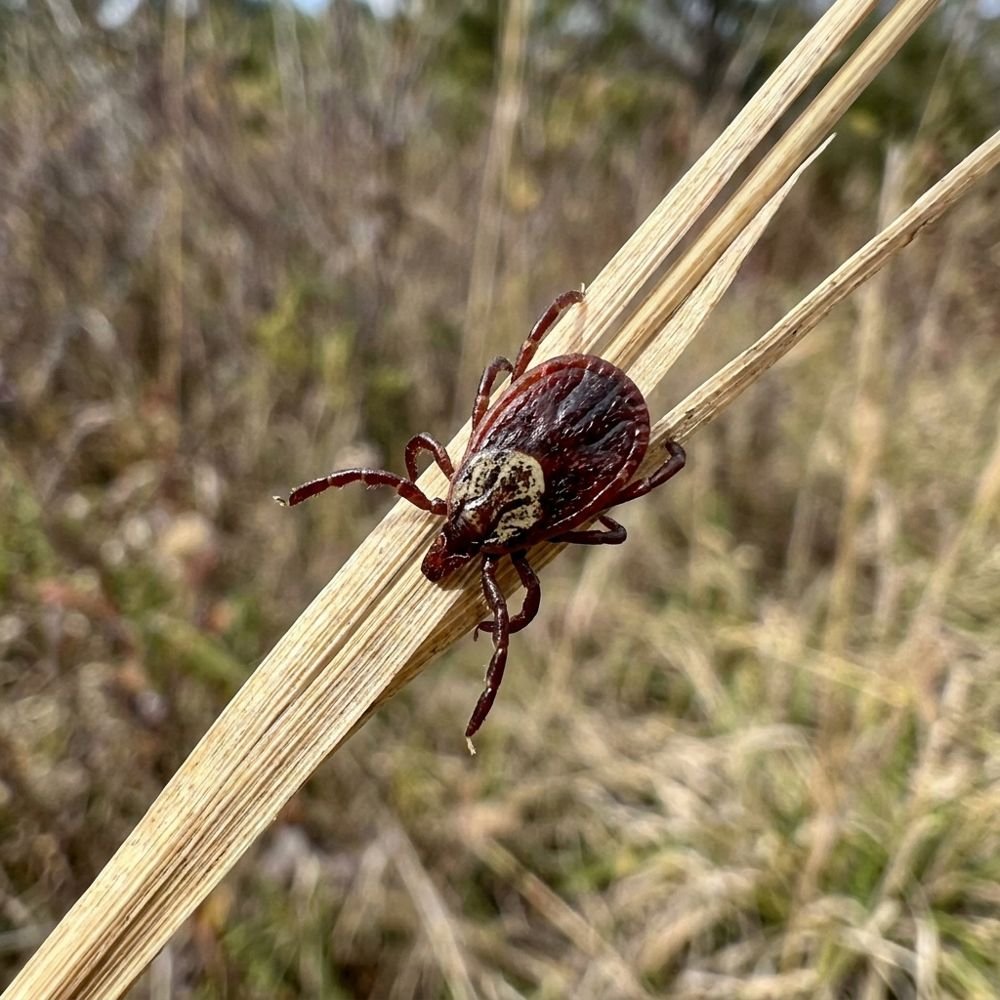
American Dog Tick
A hard tick with white markings on a brown body, common in tall grass and brushy edges. It can spread Rocky Mountain spotted fever and tularemia, but not Lyme disease. Check people and pets after time outdoors and...
Read more →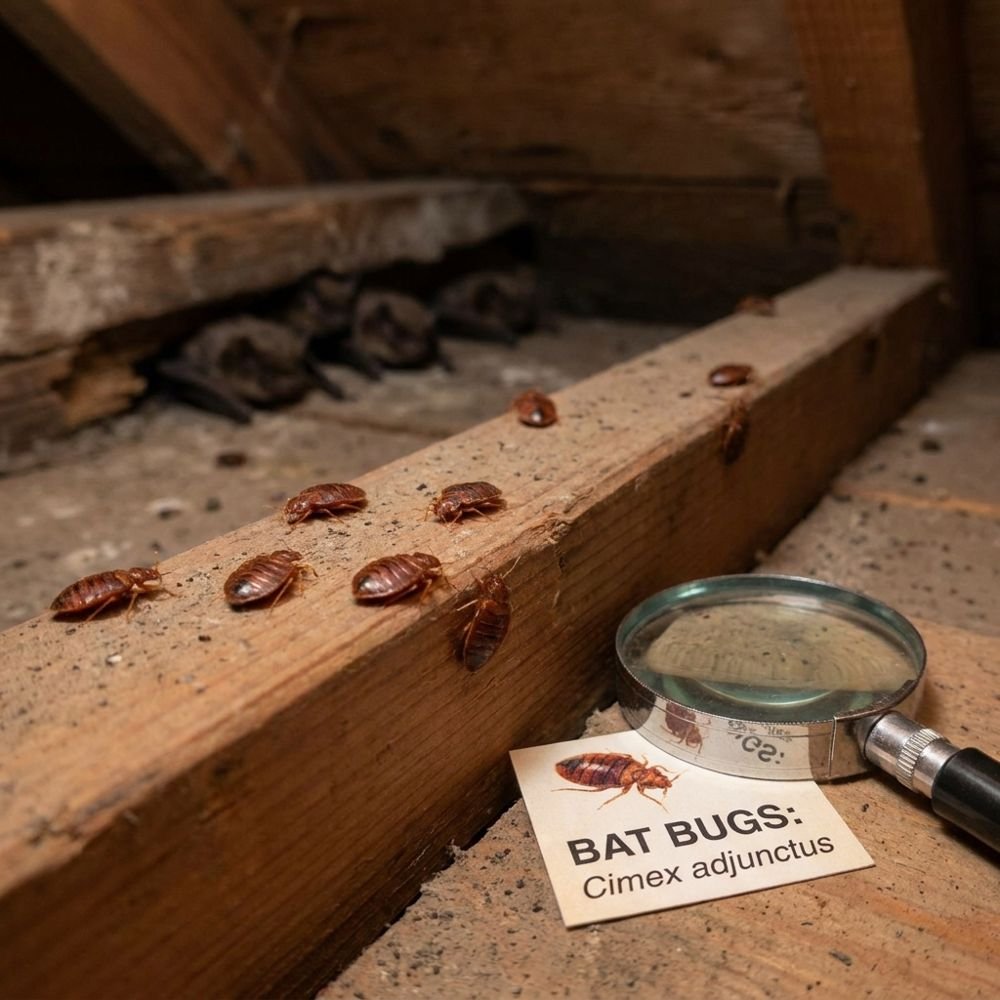
Bat Bugs
Blood-feeding insects closely related to bed bugs that primarily parasitize bats. They can wander into occupied rooms when bats leave a structure and may occasionally bite people.
Read more →Deer Tick
A small hard tick, also called the blacklegged tick, that spreads Lyme disease and other infections. Nymphs are tiny and easy to miss. Check daily, remove ticks promptly, and see a doctor if symptoms follow a bite.
Read more →Fleas
Tiny jumping insects that bite pets and people. Most of the population lives as eggs, larvae and pupae in carpet and bedding, so you need your vet for the pet, steady cleaning and sometimes a professional.
Read more →This page is general information, not a diagnosis. Pests vary by region and situation, and an on-site inspection is the reliable way to know what you have.