Raccoons
NuisanceWhat it is
A highly adaptable nocturnal mammal that may den in attics, chimneys, crawlspaces, sheds, and under decks. It can damage structures while entering and may contaminate areas with feces, urine, and nesting material.
How to recognize it
Heavy thumping in the attic at night, torn vents or soffits, overturned trash, and droppings in a single spot.
Where you will find it
Attics, chimneys, crawlspaces, sheds, and under decks.
Why it matters
They damage structure and insulation and their droppings can carry parasites. Do not approach one, and keep pets away.
What to do
- Do not approach, handle, or feed wildlife, and keep children and pets away.
- Keep trash secured and pet food indoors.
- Note where you see activity, but do not block or seal an opening yourself. Animals trapped inside can cause more damage.
- Contact a licensed wildlife professional. Local and state laws often apply.
When to call a professional
- An animal is inside the home, attic, or crawlspace.
- You see signs of nesting or droppings.
- An animal appears sick or aggressive, or you may have been bitten or scratched (seek medical care).
Related pests
Bats
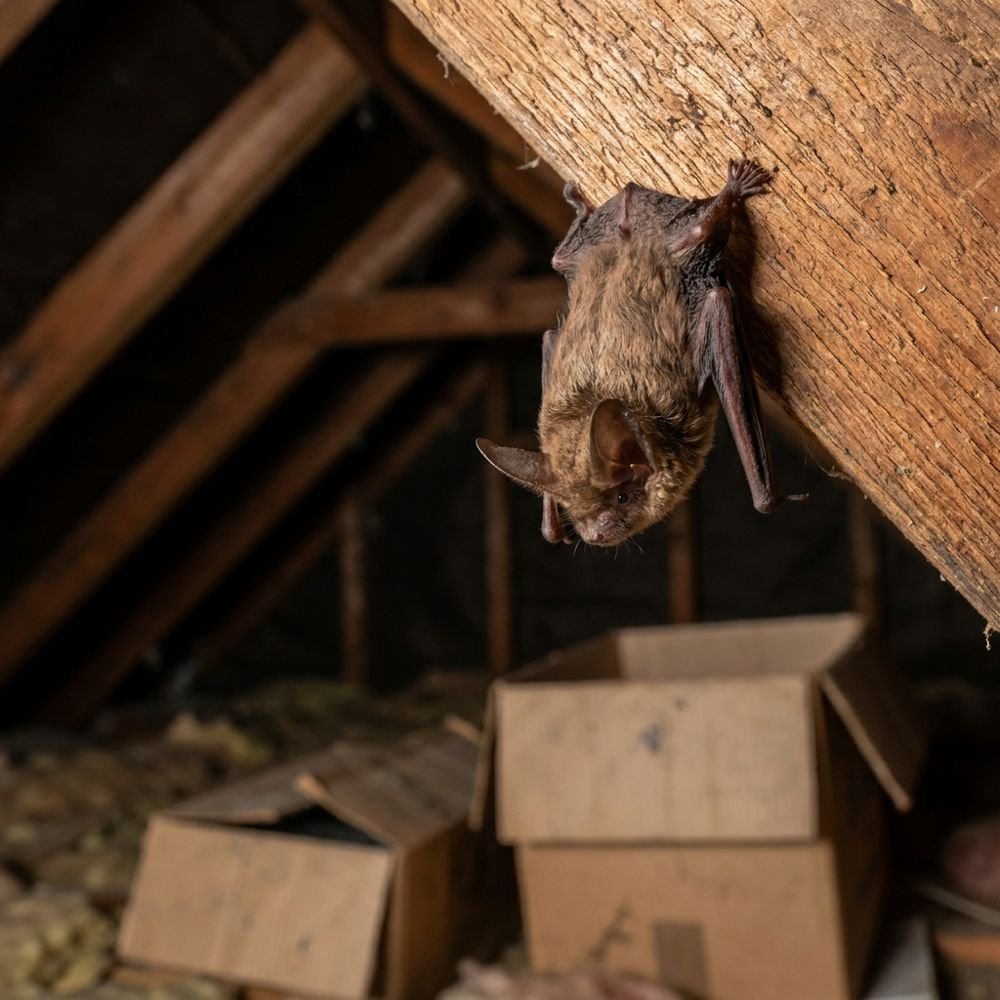
Flying mammals that commonly roost in attics, wall voids, chimneys, trees, and other sheltered locations. They are beneficial insect predators, but structural entry and accumulated droppings can create nuisance and...
Read more →Moles
Subterranean mammals that tunnel through lawns and soil while feeding mainly on earthworms and other invertebrates. Their raised ridges and mounds can damage turf and landscaping.
Read more →Rabbits
Plant-feeding mammals that can damage gardens, ornamental plants, turf, and young trees by browsing and gnawing. They commonly shelter in dense vegetation, brush, or shallow ground nests.
Read more →Snakes
Legless reptiles that may enter yards, crawlspaces, garages, basements, or buildings while seeking prey or shelter. Species vary greatly in risk, so identification and local wildlife regulations are important.
Read more →This page is general information, not a diagnosis. Pests vary by region and situation, and an on-site inspection is the reliable way to know what you have.