Mosquitoes
NuisanceSmall biting flies whose females need blood and whose young develop in standing water. Mosquitoes can spread West Nile virus and other germs. Dumping standing water weekly and using repellent are the best steps.
What it is
Mosquitoes are slender, two-winged flies in the family Culicidae. Only the females bite, because they need a blood meal to develop their eggs. Males feed on nectar and plant juices. CDC notes that mosquitoes are more than a nuisance: they are among the best-known carriers of disease in the world, and in the United States they spread germs including West Nile virus.
Life cycle: water is essential
Mosquitoes go through four stages: egg, larva, pupa and adult. The first three stages happen in water, which is why standing water is the key to understanding where mosquitoes come from.
- Eggs are laid on or near water. Some species lay them in rafts on the surface, and others lay them singly on damp surfaces where water will later rise.
- Larvae (often called "wigglers") live in water, breathing at the surface, and feed on microorganisms.
- Pupae ("tumblers") are comma-shaped, active, and do not feed.
- Adults emerge from the pupal case, rest on the water surface while they dry, then fly.
Under warm conditions, the cycle from egg to adult can take as little as a week or so, which is why a small puddle or a forgotten container can produce a burst of mosquitoes quickly.
Species you may meet in the Mid-Atlantic
- Northern house mosquito (Culex pipiens): breeds in storm drains, catch basins, bird baths and containers with organic matter. It is the main carrier of West Nile virus in the region and bites mostly at dusk and at night.
- Asian tiger mosquito (Aedes albopictus): a small, black-and-white striped mosquito that breeds in tiny containers like flowerpot saucers, tires and clogged gutters. It bites aggressively in the daytime and rarely travels far from where it hatched.
- Floodwater and woodland species: mosquitoes that hatch in large numbers after heavy rains and can fly considerable distances.
How to recognize it
Adults
Mosquitoes are small (a few millimeters in body length), with long, thin legs, a slender body and long mouthparts (a proboscis) used for piercing skin. They are most often recognized by their high-pitched whine and their bite.
- Asian tiger mosquito: black with distinct white stripes on the legs and a white stripe down the middle of the back.
- Northern house mosquito: plain brown with pale bands on the abdomen.
Larvae and pupae
In standing water, mosquito larvae wiggle in an S shape when disturbed, and hang head-down just below the surface. If you see wriggling in a bucket or birdbath, mosquitoes are breeding there.
Bites
Mosquito bites cause itchy, raised welts. Reactions vary from none to large welts in sensitive people and small children. The itching comes from the body's reaction to proteins in the mosquito's saliva.
Look-alikes
- Midges and gnats look similar, but most do not bite. They often swarm in clouds around lights or water.
- Crane flies resemble giant mosquitoes but are harmless and don't bite.
Where you will find it
Breeding sites
Because larvae need water, the places to look are those that hold water for more than a few days:
- Buckets, flowerpot saucers, plant trays, toys, wheelbarrows and tarps
- Old tires, cans and other discarded containers
- Clogged gutters, downspouts and drains
- Bird baths, pet water dishes and decorative ponds without circulation
- Storm drains, catch basins and low-lying wet spots
- Tree holes and puddles that last for a week or more
The Asian tiger mosquito in particular can breed in a bottle cap's worth of water.
Resting places
During the day, many adults rest in cool, shaded, humid places: dense vegetation, shrubs, tall grass, under decks and in garages and sheds. Disturbing the vegetation can send up a cloud.
Seasonality
In the Mid-Atlantic, mosquitoes are active from spring through early fall, with the peak in summer. Adults die back with the first hard frosts. Some species overwinter as eggs or as hibernating adults.
Why it matters
Disease
CDC states that mosquitoes spread germs to people through bites. West Nile virus is the leading mosquito-borne disease in the continental United States, according to CDC. Key points from CDC:
- Most people infected with West Nile virus have no symptoms.
- About 1 in 5 people develop a fever with other symptoms such as headache, body aches, joint pains, vomiting, diarrhea or rash.
- Fewer than 1 in 100 develop a serious neurologic illness such as encephalitis or meningitis. People over 60 and those with certain medical conditions have a higher risk of severe disease.
- There is no vaccine or specific treatment for West Nile virus in people.
Other mosquito-borne illnesses, including Eastern equine encephalitis and others, occur in parts of the US and are rarer. Mosquitoes can also spread heartworm to dogs and cats.
Quality of life
Heavy mosquito numbers can make yards and parks unusable in summer evenings, and bites can cause hours or days of itching and, if scratched, skin infection.
Pets
Mosquitoes transmit heartworm disease to dogs and cats. Ask your veterinarian about year-round prevention.
What to do
Protect yourself from bites
CDC recommends using an EPA-registered insect repellent on exposed skin, following the label instructions. CDC lists these active ingredients: DEET, picaridin, IR3535, oil of lemon eucalyptus (OLE), para-menthane-diol (PMD) and 2-undecanone. Other practical steps from CDC include:
- Wear long-sleeved shirts and long pants when mosquitoes are active.
- Use air conditioning or window and door screens, and repair holes in screens.
- Don't use repellent under clothing, and apply sunscreen first and repellent second if you use both.
- Don't use products containing oil of lemon eucalyptus or PMD on children under 3 years old.
- When using repellent on children, apply it to your own hands first and then put it on the child; avoid hands, eyes and mouth.
Empty the water
The most effective thing a homeowner can do is stop mosquitoes from breeding. Once a week:
- Tip out, scrub and turn over buckets, toys, planters, saucers, wheelbarrows and any container that holds water.
- Change the water in bird baths and pet bowls and scrub the sides to remove eggs.
- Clean gutters and make sure downspouts drain properly.
- Cover rain barrels with tight screen or mesh, and store boats and tarps so they don't hold water.
- Throw away old tires, cans and other containers you don't need.
- Fix low spots where water collects, and leaky outdoor faucets.
Because the Asian tiger mosquito stays close to where it hatched, neighborhood-wide cleanup matters, and a small effort by everyone makes a difference.
Pools and ponds
Keep pools circulating and chlorinated. Ornamental ponds can be kept moving with a pump or stocked with fish that eat larvae. Ask a pond or pool professional what's right for your setup.
What not to do
- Don't rely on bug zappers, ultrasonic devices or wearable gadgets. Evidence of effectiveness against mosquitoes is limited.
- Don't spray the yard with store-bought insecticides without guidance. Broad spraying can harm pollinators and other beneficial insects.
When to call a professional
Call a pest professional if
- Mosquitoes are heavy in your yard despite eliminating standing water.
- You can't find the breeding source, or the source is on a neighboring property or a large water feature.
- You want a plan for a yard with lots of shade, vegetation or low spots.
A professional can inspect the property for breeding sites and hiding places and discuss options. For widespread problems or concerns about disease, your local mosquito control program or health department can help, and some provide area-wide treatment and surveillance.
Call a doctor if
- You develop fever, severe headache, stiff neck, confusion, weakness or other neurologic symptoms after mosquito bites. Seek medical care promptly.
- A bite shows signs of infection, such as spreading redness, warmth, swelling or pus.
- You have a large reaction or trouble breathing after a bite. Seek emergency care.
Call a veterinarian
- For heartworm testing and prevention for dogs and cats.
Sources
Questions
Where do mosquitoes breed?
In standing water: buckets, saucers, clogged gutters, bird baths, tires, storm drains and other places that hold water for about a week or more.
Which mosquito repellents does CDC list?
EPA-registered products with DEET, picaridin, IR3535, oil of lemon eucalyptus, para-menthane-diol or 2-undecanone. Follow the label.
Do most people with West Nile virus get sick?
No. Most have no symptoms. About 1 in 5 develop fever and other symptoms, and fewer than 1 in 100 develop serious neurologic illness.
Do bug zappers work?
Evidence that they reduce mosquito bites is limited. Eliminating standing water and using repellent are more reliable.
Related pests
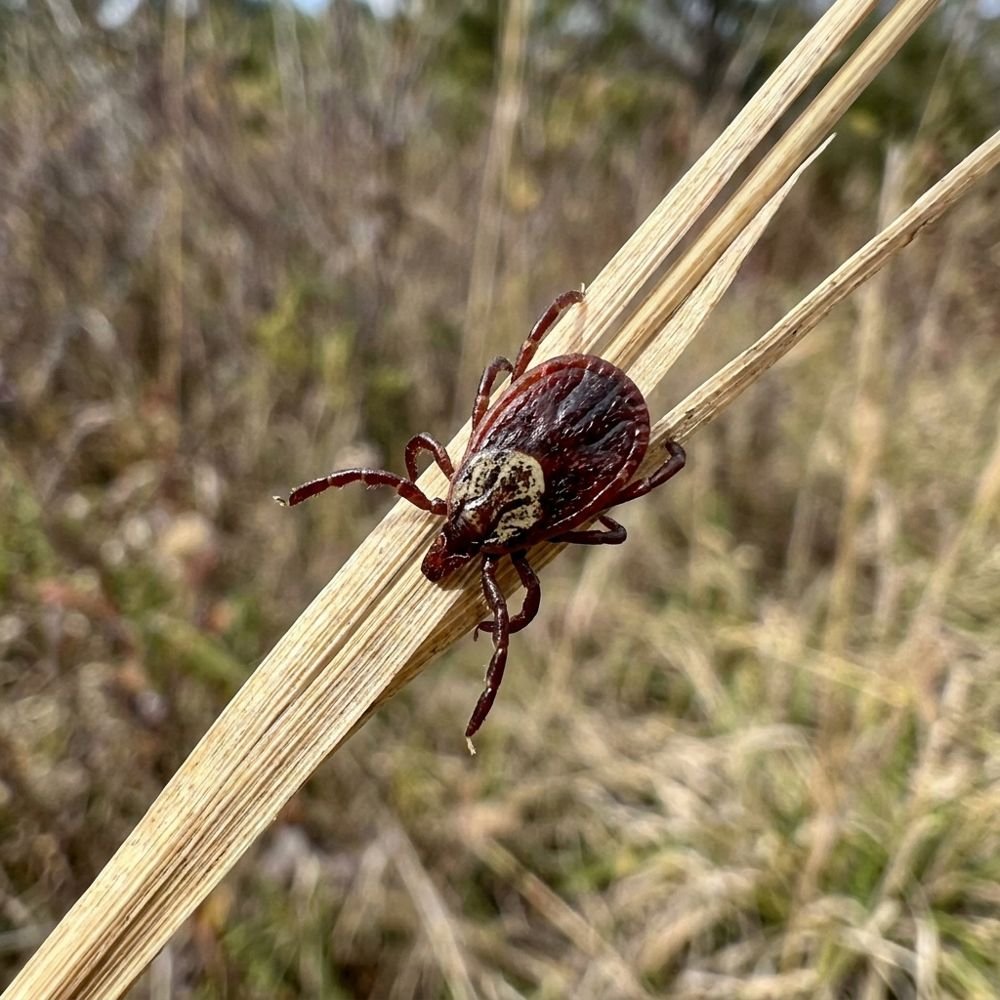
American Dog Tick
A hard tick with white markings on a brown body, common in tall grass and brushy edges. It can spread Rocky Mountain spotted fever and tularemia, but not Lyme disease. Check people and pets after time outdoors and...
Read more →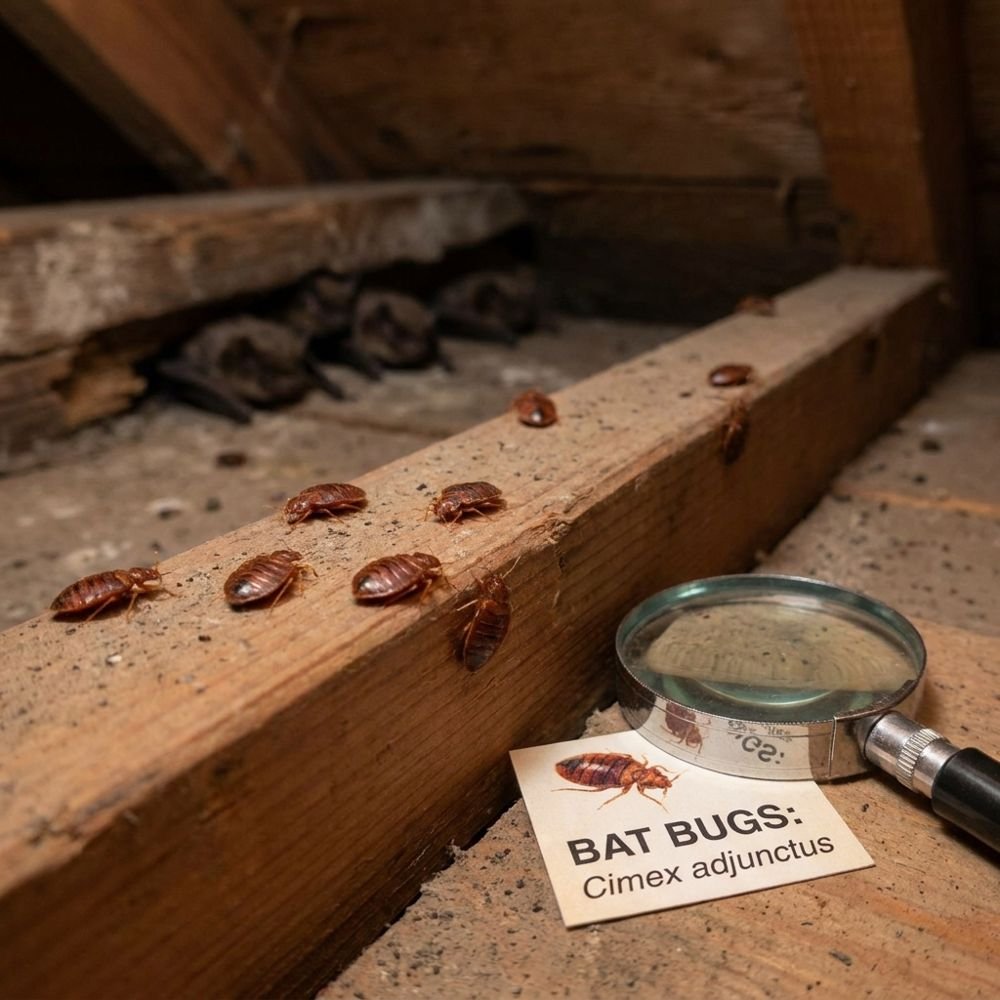
Bat Bugs
Blood-feeding insects closely related to bed bugs that primarily parasitize bats. They can wander into occupied rooms when bats leave a structure and may occasionally bite people.
Read more →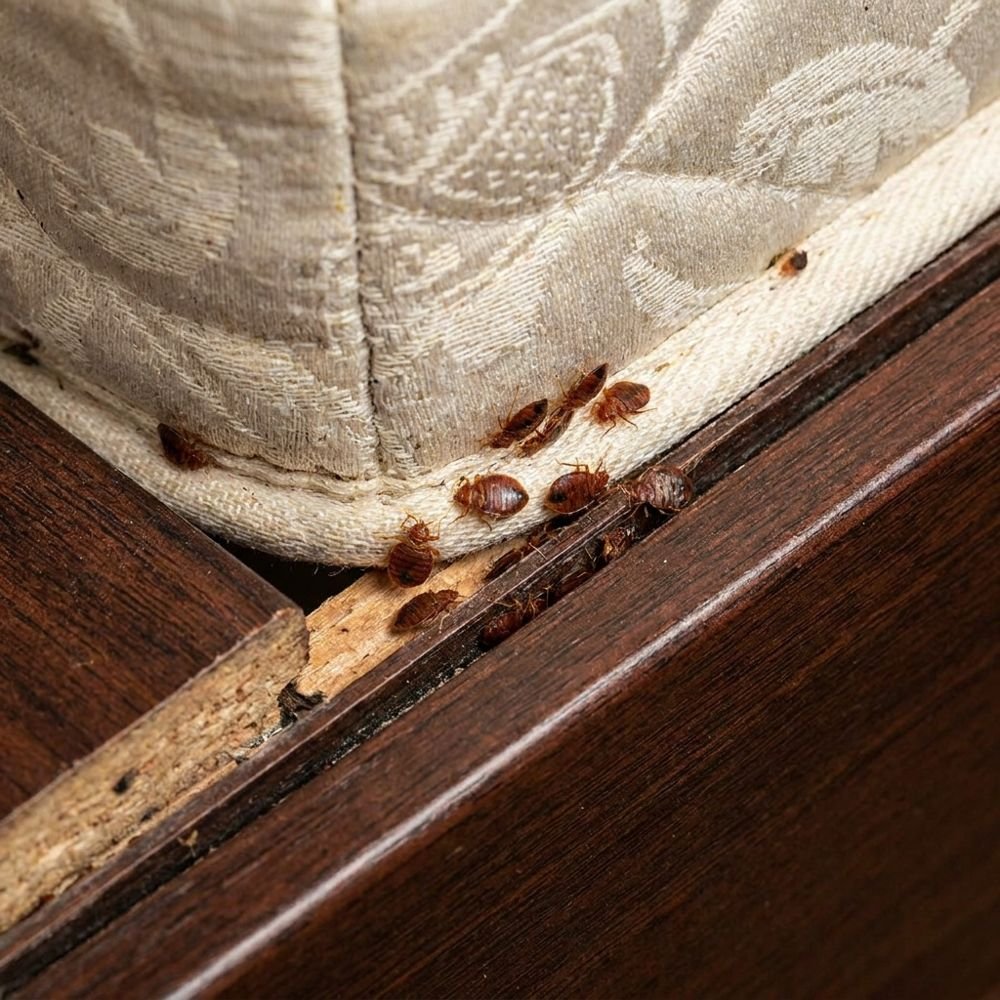
Bed Bugs
Small, flat, reddish-brown insects that feed on human blood at night and hide in mattress seams, bed frames and furniture. They do not spread disease, but they are hard to eliminate and spread easily. Early...
Read more →Deer Tick
A small hard tick, also called the blacklegged tick, that spreads Lyme disease and other infections. Nymphs are tiny and easy to miss. Check daily, remove ticks promptly, and see a doctor if symptoms follow a bite.
Read more →This page is general information, not a diagnosis. Pests vary by region and situation, and an on-site inspection is the reliable way to know what you have.