Ghost Ants
NuisanceWhat it is
A very small ant with a dark head and thorax but pale legs and abdomen, making it difficult to see. Colonies can contain multiple queens and often nest in wall voids, cabinets, potted plants, or moist areas.
How to recognize it
Very tiny ants with a dark head and pale legs and rear, so they seem to disappear against light surfaces.
Where you will find it
Wall voids, cabinets, potted plants, and moist indoor areas. More common in warm climates and heated buildings.
Why it matters
Multi-queen colonies are hard to eliminate and can spread if disturbed.
What to do
- Wipe up spills, crumbs, and grease, and keep food, including pet food, in sealed containers.
- Keep trash covered and taken out regularly.
- Note where you see them and take a photo so a technician can trace the trail or nest.
- Contact a licensed pest professional before trying sprays or baits. Store-bought products can split colonies and make the problem worse.
When to call a professional
- You see ants daily or in several rooms.
- You find winged ants indoors or sawdust-like debris near wood.
- They come back after you clean.
Related pests
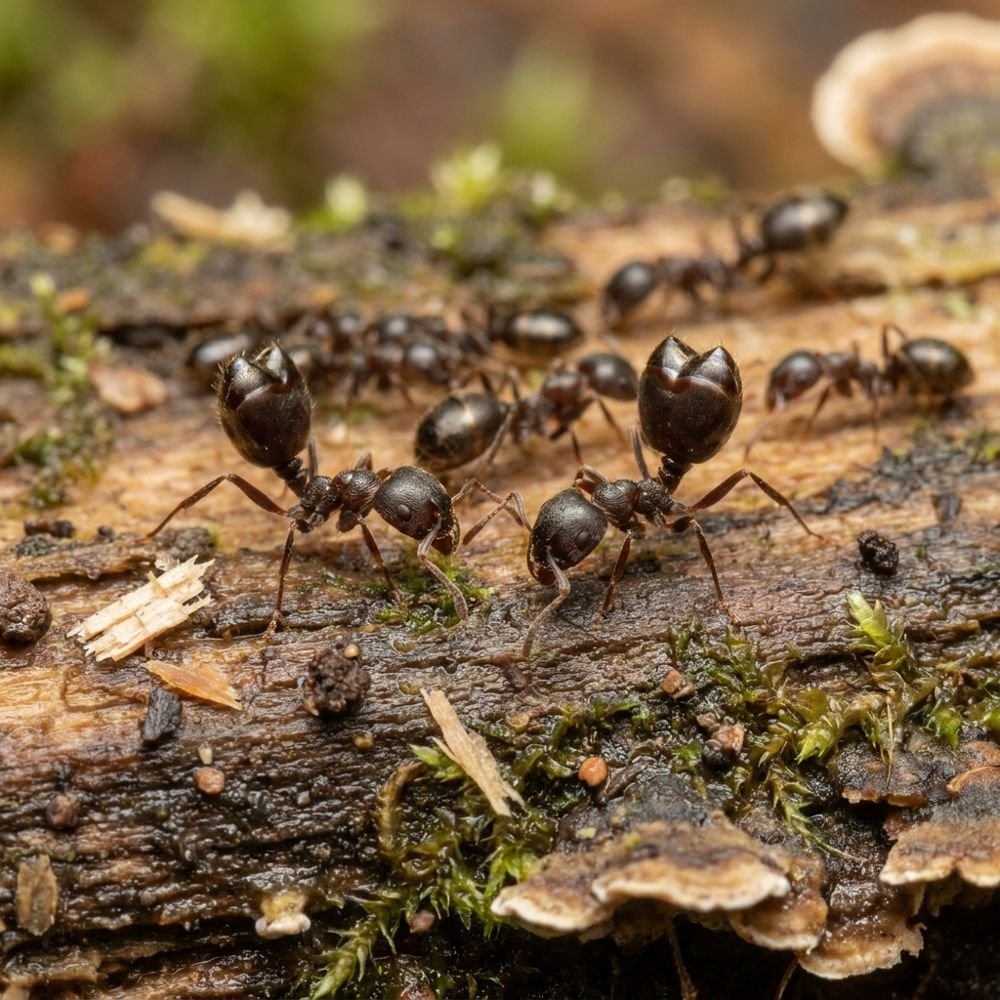
Acrobat Ants
Small ants named for their habit of raising the abdomen over the thorax when disturbed. They often nest in damp or decaying wood, wall voids, insulation, and around moisture-damaged areas.
Read more →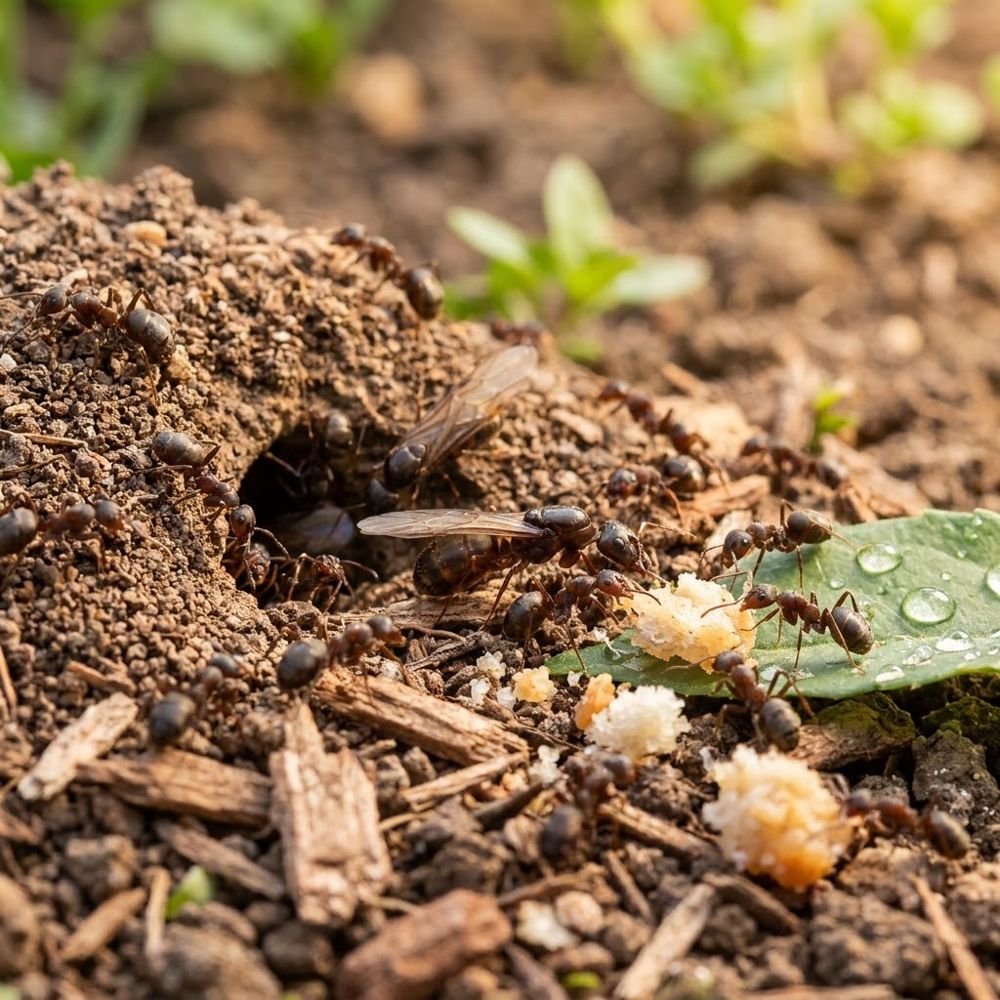
Ants
Social insects that live in colonies with workers, queens, and often winged reproductive forms. Pest species may nest indoors or outdoors and are commonly attracted to food, moisture, or suitable nesting sites.
Read more →Carpenter Ants
Large black ants that excavate galleries in wood to nest, usually where wood has been damaged by moisture. They don't eat wood, but heavy infestations can weaken it. Finding the nest and the moisture source is the key.
Read more →Citronella Ants
Yellow to yellow-brown ants that give off a lemon/citronella odor when crushed. They usually nest in soil and feed on honeydew from root-feeding insects, but winged forms may appear indoors during swarms.
Read more →This page is general information, not a diagnosis. Pests vary by region and situation, and an on-site inspection is the reliable way to know what you have.