Treehoppers, Planthoppers, and Leafhoppers
NuisanceWhat it is
A broad category for sap-feeding true bugs such as treehoppers, planthoppers, and leafhoppers. They feed on plant juices, can produce honeydew, and some species transmit plant diseases.
How to recognize it
Small, wedge-shaped insects that hop or fly when disturbed, on stems and leaves.
Where you will find it
Gardens, trees, and ornamental plants.
Why it matters
They feed on plant sap, leave sticky honeydew, and some species spread plant diseases.
What to do
- Photograph the insect and the plant damage and note when you see it.
- Do not apply store-bought products without confirming the pest, since many are harmless or beneficial.
- Contact a licensed lawn and ornamental professional for identification and treatment.
When to call a professional
- Plants or turf are damaged or dying.
- Populations are growing quickly.
- You see the same pest year after year.
Related pests
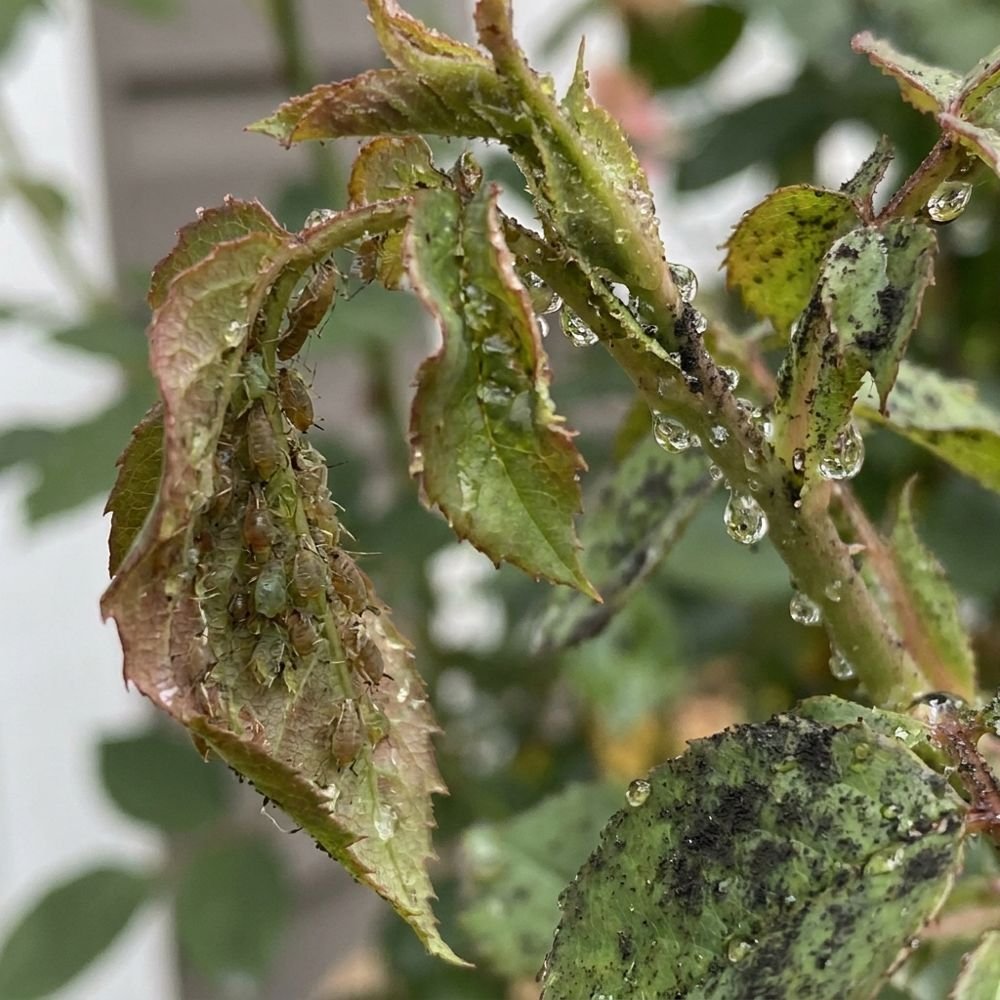
Aphids
Small, soft-bodied plant-feeding insects that suck sap from leaves and stems. Heavy infestations can distort plant growth and produce sticky honeydew that supports sooty mold.
Read more →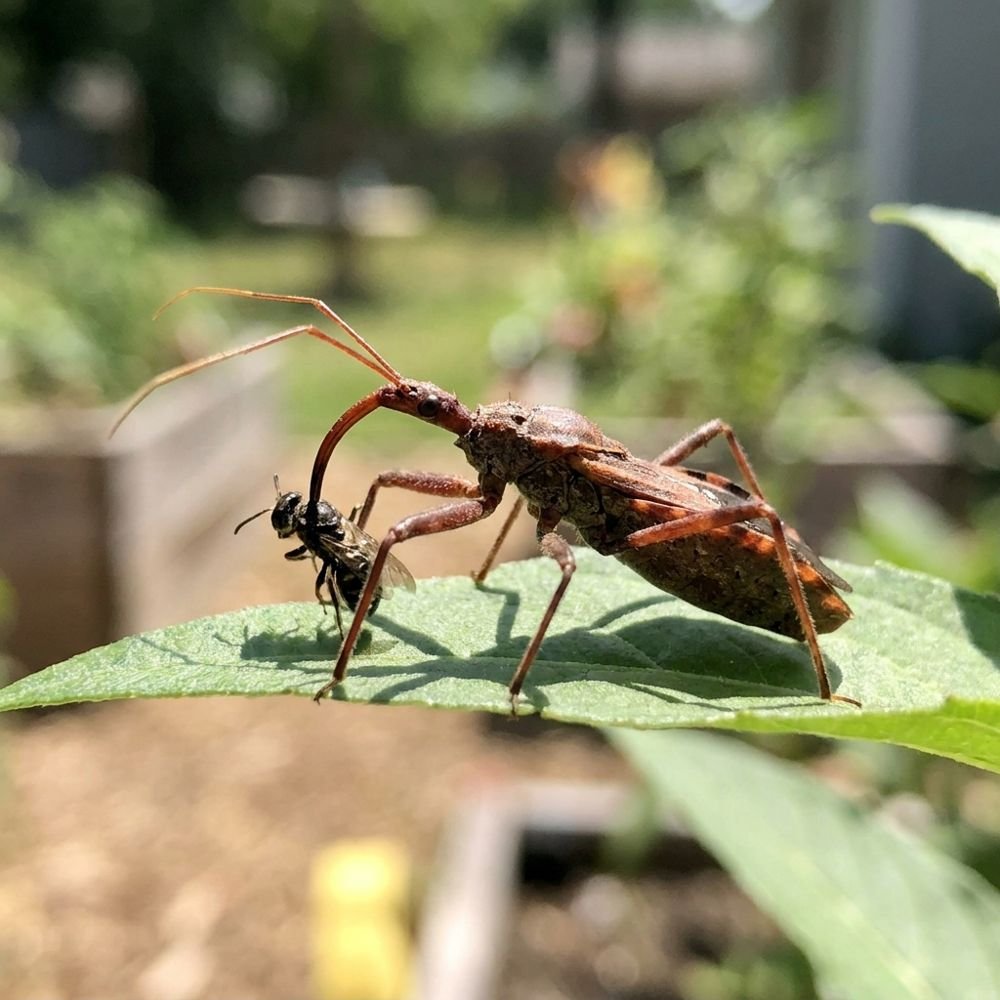
Assassin Bugs
Predatory true bugs that use a piercing beak to feed on other insects. Most are beneficial outdoors, but some can bite people if handled or trapped against the skin.
Read more →Grasshoppers
Plant-feeding insects with powerful hind legs for jumping. They are mainly outdoor pests and can damage grasses, crops, gardens, and ornamental vegetation when populations are high.
Read more →June Beetles
Robust scarab beetles that often fly to lights in late spring or summer. Adults may feed on foliage, while larvae ('white grubs') live in soil and can damage turf or plant roots.
Read more →This page is general information, not a diagnosis. Pests vary by region and situation, and an on-site inspection is the reliable way to know what you have.