Mites
NuisanceWhat it is
Tiny arachnids related to ticks. Pest mites may live on plants, birds, rodents, stored foods, or animals, and some species can bite people or become nuisance invaders.
How to recognize it
Tiny specks, often too small to see, with itching or irritation. Some are found on plants, birds, or rodents.
Where you will find it
Plants, bird and rodent nests, stored food, and animals.
Why it matters
Mites are hard to identify without a magnifier, so a professional can tell which type is involved.
What to do
- Check people and pets for bites or attached pests after being outdoors or traveling.
- Wash and dry bedding and clothing on high heat, and reduce clutter around sleeping areas.
- Do not move bedding or furniture between rooms, since that can spread pests.
- Contact a licensed pest professional before trying home remedies, which can scatter pests.
When to call a professional
- You find bites, dark spots, or live pests in bedding or furniture.
- Pets keep getting fleas or ticks.
- Anyone develops a rash, fever, or illness after a bite (see a doctor).
Related pests
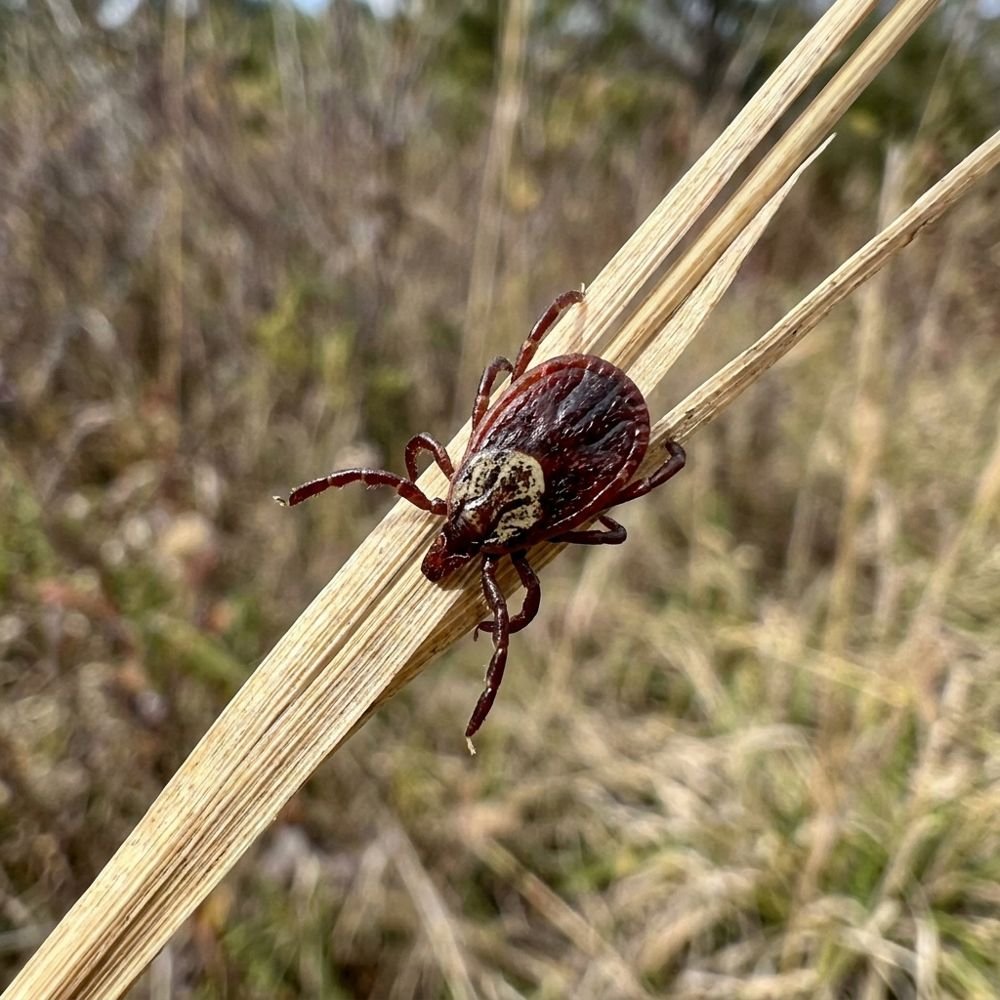
American Dog Tick
A hard tick with white markings on a brown body, common in tall grass and brushy edges. It can spread Rocky Mountain spotted fever and tularemia, but not Lyme disease. Check people and pets after time outdoors and...
Read more →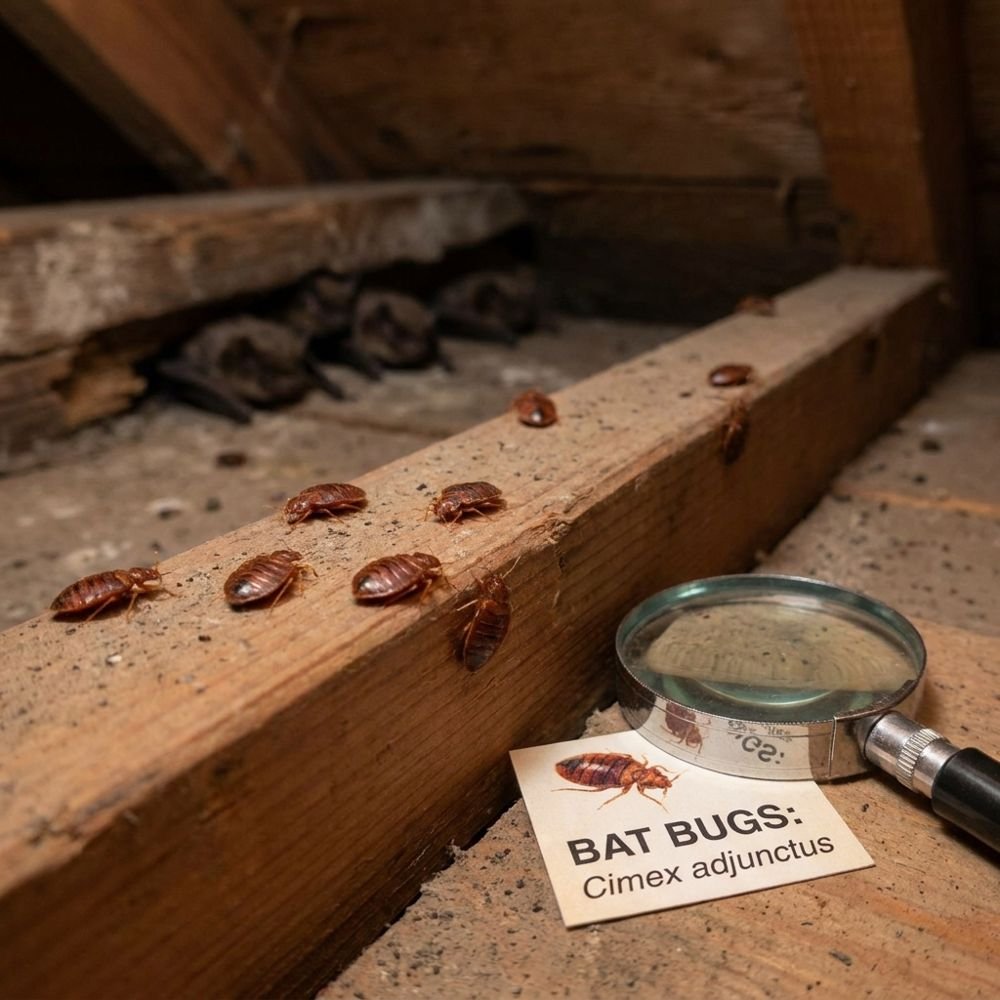
Bat Bugs
Blood-feeding insects closely related to bed bugs that primarily parasitize bats. They can wander into occupied rooms when bats leave a structure and may occasionally bite people.
Read more →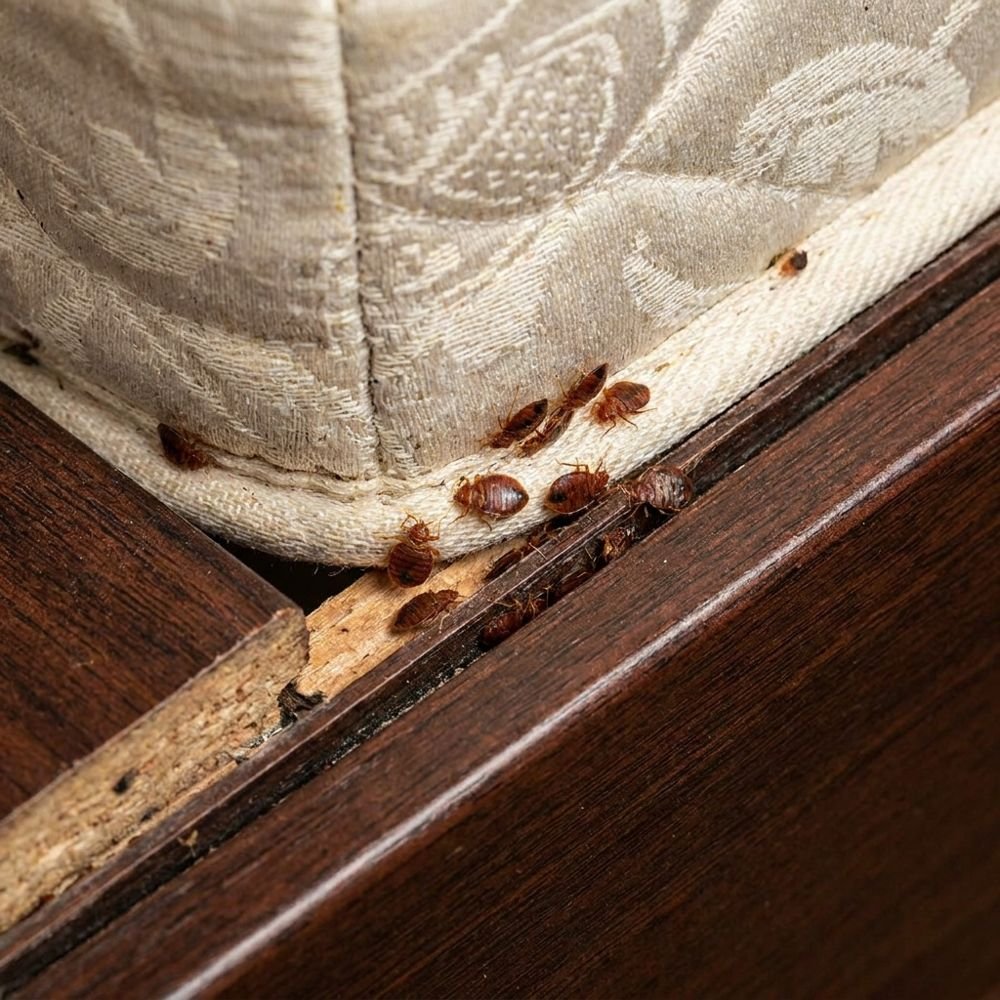
Bed Bugs
Small, flat, reddish-brown insects that feed on human blood at night and hide in mattress seams, bed frames and furniture. They do not spread disease, but they are hard to eliminate and spread easily. Early...
Read more →Deer Tick
A small hard tick, also called the blacklegged tick, that spreads Lyme disease and other infections. Nymphs are tiny and easy to miss. Check daily, remove ticks promptly, and see a doctor if symptoms follow a bite.
Read more →This page is general information, not a diagnosis. Pests vary by region and situation, and an on-site inspection is the reliable way to know what you have.