Spotted Lanternfly
Lycorma delicatula
NuisanceWhat it is
An invasive planthopper that feeds on sap from many plants, especially tree-of-heaven, grapes, and some trees. Heavy populations excrete honeydew, which promotes sooty mold and can stress plants.
How to recognize it
- Adults are about 1 inch long. Folded wings are gray with black spots, and the hind wings flash red with black spots when open.
- Young nymphs are black with white spots. Older nymphs turn red with white spots and black patches.
- Egg masses are about 1.5 inches long, gray and mud-like, and are laid in fall on trees, stone, vehicles, and outdoor furniture.
- Signs include sticky "honeydew" under infested trees, black sooty mold, and swarms on trunks.
Where you will find it
Trees and vines, especially tree of heaven and grapes. They also land on nearby decks, fences, walls, outdoor furniture, and vehicles, and gather in large numbers on trunks in late summer and fall.
First found in Pennsylvania in 2014 and now established across much of the East and Midwest. It is still spreading, and numbers vary from year to year. Rules differ by state, so check your state department of agriculture.
Why it matters
Heavy populations stress plants and leave honeydew that promotes sooty mold. It is an invasive species of concern in the Mid-Atlantic.
Look-alikes
- Moths and other planthoppers: Few have the combination of gray, spotted forewings and bright red, black-spotted hind wings.
What to do
- Scrape egg masses off in fall through spring into a bag with rubbing alcohol or hand sanitizer, then throw the bag out.
- Squash nymphs and adults when you see them, unless your state asks you to report them first.
- Check vehicles, firewood, outdoor furniture, and gear for egg masses before traveling, especially out of an infested area.
- Remove tree of heaven on your property if you can, since it is a favorite host.
- Look up your state's rules, because quarantine requirements and reporting requests differ.
When to call a professional
- You have heavy infestations on trees or a vineyard.
- Your business moves vehicles, goods, or equipment out of a quarantine area and may need a permit.
- Large numbers make outdoor areas hard to use.
Questions
Do spotted lanternflies bite or sting?
No. They feed on plants and don't bite or sting people or pets.
Should I report one?
It depends on your state. Some ask for reports where it hasn't been found yet, and others no longer do because it is established. Check with your state department of agriculture.
Will they kill my trees?
Large numbers can stress trees and vines, and they are a serious threat to vineyards and orchards.
Why do I find them on my car?
They hitchhike. People unknowingly move them and their egg masses on vehicles and gear, which is how they spread.
Related pests
Occasional Invaders
A broad category for pests that enter buildings incidentally but usually do not reproduce indoors. Examples can include boxelder bugs, lady beetles, millipedes, ground beetles, and other seasonal invaders.
Read more →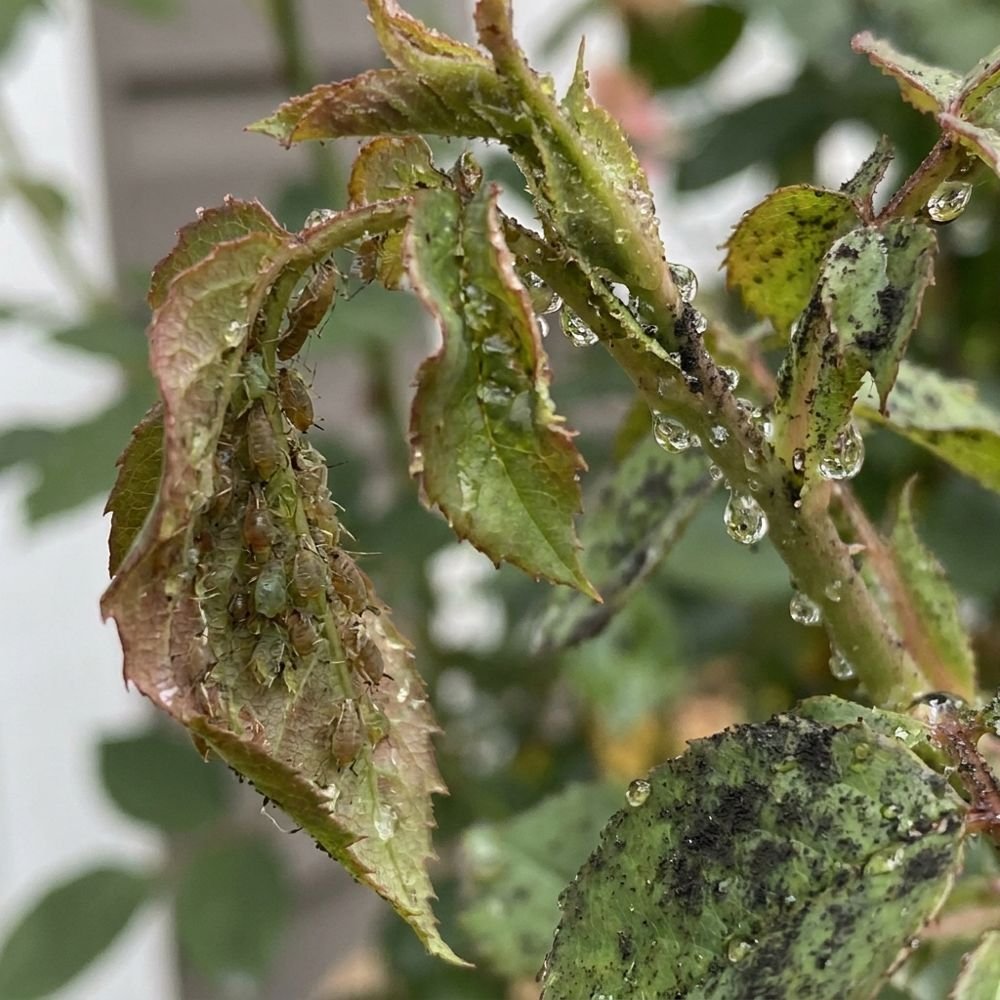
Aphids
Small, soft-bodied plant-feeding insects that suck sap from leaves and stems. Heavy infestations can distort plant growth and produce sticky honeydew that supports sooty mold.
Read more →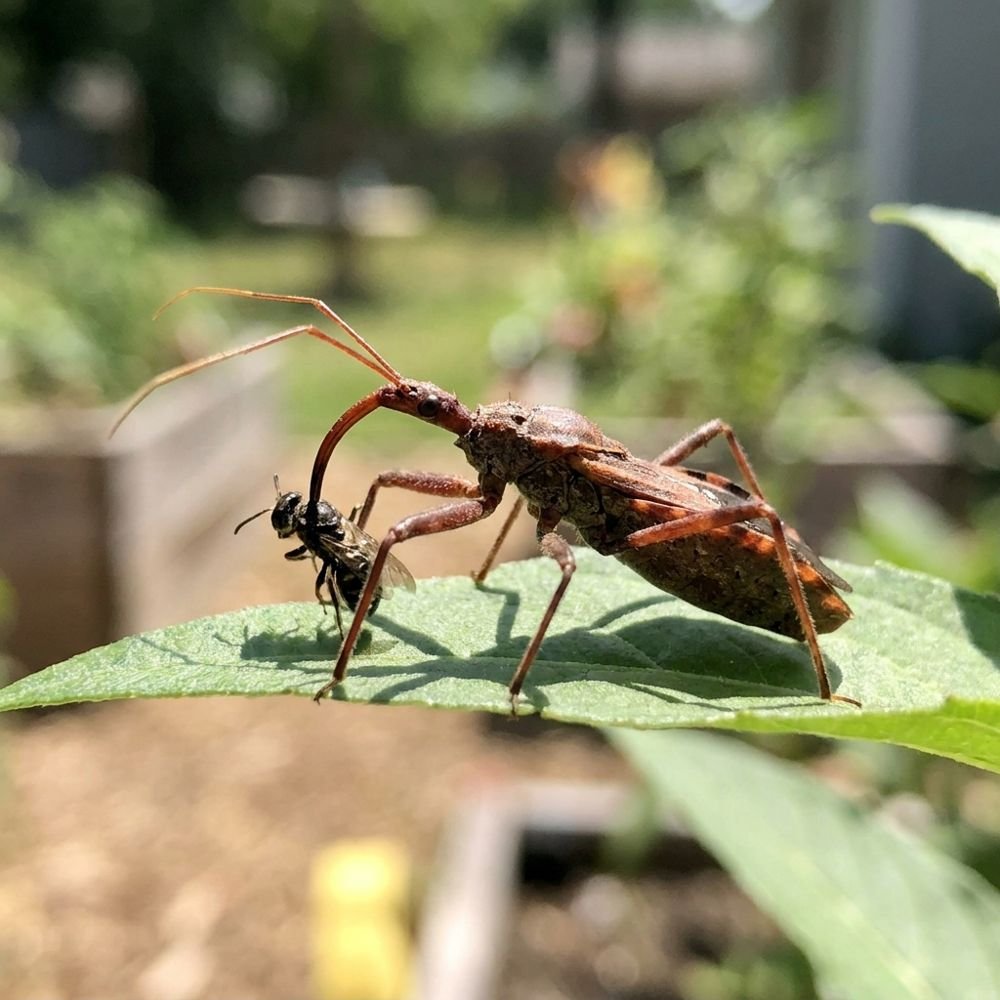
Assassin Bugs
Predatory true bugs that use a piercing beak to feed on other insects. Most are beneficial outdoors, but some can bite people if handled or trapped against the skin.
Read more →Grasshoppers
Plant-feeding insects with powerful hind legs for jumping. They are mainly outdoor pests and can damage grasses, crops, gardens, and ornamental vegetation when populations are high.
Read more →This page is general information, not a diagnosis. Pests vary by region and situation, and an on-site inspection is the reliable way to know what you have.